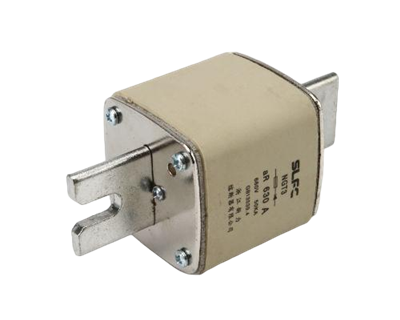
Troubleshooting a PV fuse holder is a crucial skill for anyone involved in solar power systems, whether you're an installer, a maintenance technician, or a system owner. As a PV fuse holder supplier, I've encountered various issues with these components over the years. In this blog post, I'll share some practical steps and tips on how to troubleshoot a PV fuse holder effectively.
Understanding the Basics of PV Fuse Holders
Before diving into troubleshooting, it's essential to have a basic understanding of what a PV fuse holder is and how it works. A PV fuse holder is a device designed to hold a fuse in place within a photovoltaic (PV) system. Its primary function is to protect the electrical circuit from overcurrent conditions by interrupting the flow of electricity when the current exceeds a safe level. This helps prevent damage to the PV panels, inverters, and other components in the system.
There are different types of PV fuse holders available in the market, including those designed for specific applications and fuse types. For example, the TUV Solar Fuse is a popular choice for many PV systems due to its high - quality and reliable performance. The PV Fuse Holder is specifically designed to accommodate these fuses and ensure proper electrical connections.
Initial Checks
The first step in troubleshooting a PV fuse holder is to perform some initial checks. These checks are relatively simple and can help you identify obvious problems.
Visual Inspection
Start by visually inspecting the PV fuse holder. Look for any signs of physical damage, such as cracks, burns, or loose connections. A cracked fuse holder can compromise its ability to hold the fuse securely and may lead to electrical arcing. Burns on the fuse holder can indicate overheating, which could be caused by an overcurrent condition or a poor electrical connection.
Check the fuse itself. A blown fuse will typically have a broken filament inside. If the fuse is blown, it needs to be replaced with a new one of the same rating. However, simply replacing the fuse without identifying and addressing the root cause of the overcurrent can lead to the new fuse blowing again.
Electrical Connection Check
Ensure that all electrical connections are tight. Loose connections can cause increased resistance, which in turn can lead to overheating and voltage drops. Use a multimeter to check the continuity of the connections. Set the multimeter to the resistance mode and measure the resistance between the terminals of the fuse holder. A very high resistance or an open circuit reading may indicate a loose or damaged connection.
Testing the Fuse Holder
If the initial checks don't reveal any obvious problems, the next step is to test the fuse holder more thoroughly.


Continuity Testing
Use a multimeter to test the continuity of the fuse holder. With the fuse removed, set the multimeter to the continuity mode. Touch the probes of the multimeter to the terminals of the fuse holder. If the multimeter beeps or shows a low resistance reading, it indicates that the fuse holder has continuity, which means it is electrically conductive. A lack of continuity may indicate a broken or damaged internal circuit in the fuse holder.
Voltage Testing
To check if the fuse holder is receiving the correct voltage, use a multimeter set to the voltage mode. Connect the probes of the multimeter to the input and output terminals of the fuse holder while the PV system is operational. Compare the measured voltage with the expected voltage. A significant difference in voltage may indicate a problem with the fuse holder or the upstream electrical components.
Identifying Overcurrent Causes
If the fuse keeps blowing, it's important to identify the cause of the overcurrent.
Load Analysis
Examine the electrical load connected to the PV system. An excessive load can cause the current to exceed the rating of the fuse. Check if there are any additional or faulty devices connected to the circuit. For example, a malfunctioning inverter or a short - circuited PV panel can draw more current than normal.
Short - Circuit Detection
A short - circuit in the PV system can also cause overcurrent. Use a multimeter to check for short - circuits in the wiring and components connected to the fuse holder. Set the multimeter to the resistance mode and measure the resistance between different conductors and components. A very low resistance or a short - circuit reading may indicate a short - circuit in the system.
Common Problems and Solutions
Overheating
Overheating of the fuse holder can be caused by several factors, including loose connections, high ambient temperatures, or an overcurrent condition. To solve the overheating problem, first, check and tighten all connections. If the ambient temperature is too high, consider installing a heat sink or improving the ventilation around the fuse holder. If the overheating is due to an overcurrent, identify and address the root cause of the overcurrent as described above.
Corrosion
Corrosion can occur on the terminals of the fuse holder, especially in outdoor or humid environments. Corrosion can increase the resistance of the connections and lead to overheating. To remove corrosion, use a wire brush or sandpaper to clean the terminals. After cleaning, apply a thin layer of anti - corrosion grease to prevent future corrosion.
When to Replace the Fuse Holder
In some cases, the fuse holder may be beyond repair and need to be replaced. If the fuse holder has severe physical damage, such as a cracked or melted body, or if it fails the continuity or voltage tests, it's time to replace it. When replacing the fuse holder, make sure to choose a high - quality replacement that is compatible with the fuse and the PV system. The NH PV Fuse is another option that can be used in combination with a suitable fuse holder.
Conclusion
Troubleshooting a PV fuse holder requires a systematic approach. By performing initial checks, testing the fuse holder, and identifying the root cause of any problems, you can ensure the proper functioning of the PV system. As a PV fuse holder supplier, we are committed to providing high - quality products and technical support to help you maintain and troubleshoot your PV systems.
If you are facing issues with your PV fuse holders or are looking to purchase high - quality PV fuse holders and related products, we invite you to contact us for procurement and further technical discussions. Our team of experts is ready to assist you in finding the best solutions for your PV system needs.
References
- Solar Power Systems Handbook, Second Edition
- Electrical Safety Standards for PV Systems
- Manufacturer's manuals for PV fuse holders and related components