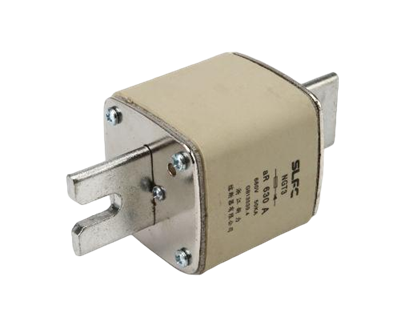
Hey there! As a supplier of Solar PV Fuses, I often get asked if it's easy to replace a Solar PV Fuse. Well, let's dive right into this topic and break it down.
First off, what is a Solar PV Fuse anyway? It's a crucial component in a solar photovoltaic system. Its main job is to protect the system from over - current situations. Just like the fuses in your home electrical system, when there's too much current flowing, the PV fuse blows, cutting off the electrical circuit and preventing damage to the more expensive and sensitive components in the solar setup.
Now, onto the big question: Is it easy to replace a Solar PV Fuse? The answer isn't a simple yes or no. It depends on a few factors.
Factors Affecting the Ease of Replacement
1. Accessibility
One of the key factors is how accessible the fuse is. In some solar installations, the fuses are placed in well - designed, easy - to - reach fuse boxes. These boxes are usually labeled clearly, making it straightforward to identify the blown fuse. For example, if you have a residential solar system and the fuses are in a box near the inverter, and the box has a hinged door that opens easily, you're in luck. You can just open the door, find the blown fuse, and replace it.
On the other hand, in larger commercial or industrial solar installations, the fuses might be located in hard - to - reach places. They could be high up on a rack, or deep inside a complex electrical cabinet. In such cases, you might need special equipment like ladders or access tools to even get to the fuse. This definitely makes the replacement process a lot more difficult.
2. Knowledge and Skills
Another important factor is your knowledge and skills. If you're someone with a basic understanding of electrical systems, replacing a PV fuse might not be too hard. You need to know how to safely shut off the power to the circuit before you start working on the fuse. This involves following the correct safety procedures, such as using insulated tools and wearing appropriate safety gear.
However, if you're not familiar with electrical work, replacing a PV fuse can be quite risky. A wrong move could lead to electrical shocks, short - circuits, or even a fire. So, if you're not confident in your abilities, it's always a good idea to call in a professional electrician.
3. Fuse Type and Compatibility
There are different types of PV fuses available in the market. Some are cartridge fuses, while others are blade fuses. Each type has its own installation method. For example, cartridge fuses are usually inserted into a PV Fuse Base. You need to make sure you have the right type of fuse for your system. Using an incompatible fuse can not only lead to the fuse blowing again quickly but also pose a safety hazard.
When replacing a fuse, you also need to pay attention to its rating. The rating indicates the maximum current the fuse can handle. If you replace a 10 - amp fuse with a 20 - amp fuse, for instance, it might not blow when it should, and this can damage the solar system.
Step - by - Step Guide to Replacing a Solar PV Fuse (If You're Qualified)
Step 1: Safety First
Before you do anything, make sure you turn off the power to the circuit. This might involve flipping a switch on the inverter or at the main electrical panel. Use a voltage tester to double - check that there's no power flowing through the circuit. Wear insulated gloves and safety glasses to protect yourself from any potential electrical hazards.
Step 2: Locate the Blown Fuse
Open the fuse box and look for the blown fuse. A blown fuse usually has a visible break in the wire inside the glass or ceramic casing. Some fuse boxes also have indicator lights that show which fuse has blown.


Step 3: Remove the Blown Fuse
If it's a cartridge fuse, gently pull it out of the PV Fuse Base. For blade fuses, you can use a fuse puller or just grip them firmly and pull them out.
Step 4: Install the New Fuse
Take a new fuse of the same type and rating as the blown one. Insert it into the base or socket carefully. Make sure it's seated properly and there's a good electrical connection.
Step 5: Restore Power
Once the new fuse is installed, turn the power back on and check if the solar system is working properly. If the new fuse blows right away, there might be a bigger problem in the system, and you should call a professional.
Our Product Offerings
As a Solar PV Fuse supplier, we offer a wide range of high - quality PV fuses. We also have related products like RT18 - 63 Base and RT Fuse Holder. Our products are designed to meet the highest safety and performance standards. We understand the importance of reliable fuses in a solar system, and that's why we ensure that all our products are rigorously tested before they reach you.
If you're in the market for Solar PV Fuses or any of our related products, we'd love to hear from you. Whether you're a homeowner looking to replace a single fuse or a large - scale solar project developer in need of bulk orders, we can provide you with the right solutions.
In conclusion, replacing a Solar PV Fuse can be easy under the right conditions, but it also requires caution and the right knowledge. If you're unsure, always seek professional help. And if you're looking for top - notch PV fuses and related products, don't hesitate to get in touch with us for more information and to start a procurement discussion.
References
- "Solar Photovoltaic Systems: Design and Installation Guide"
- Electrical safety standards and regulations for solar installations.