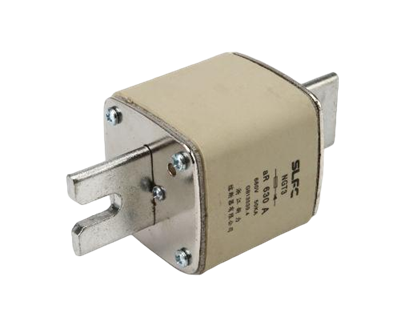
When it comes to the operation of low - power electrical equipment, the selection and use of fuses are of utmost importance. As a reputable NH PV Fuse supplier, I've witnessed firsthand how the right fuse can safeguard equipment and ensure reliable performance. In this blog, I'll delve into the key considerations when using NH PV Fuses in low - power electrical equipment.
1. Voltage Rating
The voltage rating of an NH PV Fuse is a critical factor. Low - power electrical equipment often operates at specific voltage levels, and it's essential to match the fuse's voltage rating with the equipment's operating voltage. Using a fuse with a lower voltage rating than the equipment's voltage can lead to arcing and premature failure of the fuse. On the other hand, a fuse with a significantly higher voltage rating may not operate correctly when a fault occurs.
For low - power solar applications, where many systems operate at relatively low voltages, a 1000VDC Fuse might be a common choice. These fuses are designed to handle the DC voltage requirements typically found in solar installations. It's important to note that the voltage rating should not only consider the normal operating voltage but also any potential voltage spikes that could occur during the equipment's operation.
2. Current Rating
Determining the appropriate current rating is equally crucial. The current rating of an NH PV Fuse should be selected based on the normal operating current of the low - power electrical equipment. If the current rating is too low, the fuse will blow frequently during normal operation, causing unnecessary downtime. Conversely, if the current rating is too high, the fuse may not blow when a fault occurs, putting the equipment at risk of damage.
When calculating the current rating, it's necessary to consider factors such as inrush currents. Low - power electrical equipment, especially those with motors or inductive loads, may experience high inrush currents during startup. The fuse should be able to withstand these temporary current surges without blowing. Manufacturers usually provide guidelines on inrush currents, which can help in accurately selecting the current rating of the fuse.
3. Breaking Capacity
The breaking capacity, also known as the interrupting rating, of an NH PV Fuse is the maximum current that the fuse can safely interrupt without causing any damage to itself or the surrounding equipment. In low - power electrical systems, although the normal operating currents are relatively low, faults can still result in high - current situations, such as short - circuits.
A fuse with a low breaking capacity may not be able to interrupt a high - current fault safely, leading to explosions or other hazardous conditions. Therefore, it's important to choose an NH PV Fuse with a breaking capacity that is sufficient for the potential fault currents in the low - power electrical equipment. TUV - certified fuses, like the TUV Solar Fuse, often have reliable breaking capacities, as they have undergone strict testing to meet international safety standards.
4. Temperature Considerations
Temperature can have a significant impact on the performance of NH PV Fuses. Low - power electrical equipment may generate heat during operation, and the ambient temperature can also vary depending on the installation location. Fuses are sensitive to temperature changes, and their operating characteristics can be affected.
At higher temperatures, the resistance of the fuse element increases, which can cause the fuse to blow at a lower current than its rated value. Conversely, at lower temperatures, the fuse may be able to withstand higher currents without blowing. Therefore, it's important to consider the expected temperature range in which the low - power electrical equipment will operate and select a fuse that is suitable for those conditions. Some fuses are designed to have better temperature stability, which can ensure more reliable operation in a wide range of temperatures.
5. Compatibility with Equipment
The NH PV Fuse must be compatible with the low - power electrical equipment in terms of physical dimensions and connection methods. Using a fuse that does not fit properly can lead to poor electrical connections, which can cause overheating and premature failure of the fuse.
In addition to physical compatibility, the fuse should also be compatible with the electrical characteristics of the equipment. For example, some low - power electrical equipment may require a fast - acting fuse, while others may be better suited for a time - delay fuse. Fast - acting fuses are designed to blow quickly in the event of a fault, which can protect sensitive components. Time - delay fuses, on the other hand, can withstand short - term current surges without blowing, making them suitable for equipment with inrush currents.
6. Safety and Certification
Safety is always a top priority when using NH PV Fuses in low - power electrical equipment. Fuses that are certified by recognized standards organizations, such as TUV, provide an added level of assurance. These certifications indicate that the fuses have been tested and meet specific safety and performance requirements.
When selecting an NH PV Fuse, look for products that have been certified to relevant international standards, such as IEC standards for electrical safety. This can help ensure that the fuse will operate safely and effectively in the low - power electrical system.
7. Installation and Maintenance
Proper installation and maintenance of NH PV Fuses are essential for their reliable operation. During installation, it's important to follow the manufacturer's instructions carefully. This includes ensuring that the fuse is installed in the correct orientation and that the connections are tight and secure.
Regular maintenance is also necessary to check the condition of the fuses. Inspect the fuses periodically for signs of damage, such as overheating or physical deformation. Replace any fuses that show signs of wear or damage immediately. Additionally, keep a record of fuse replacements to monitor the performance of the fuses over time.

8. Compatibility with Other Components
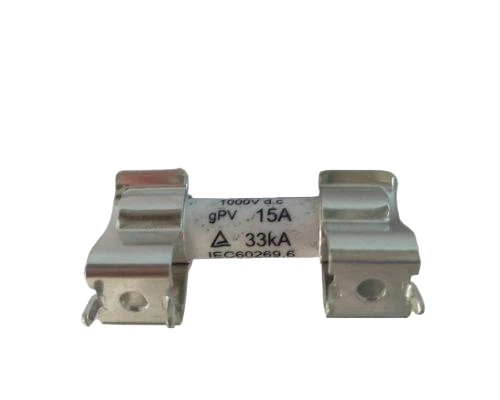
In a low - power electrical system, the NH PV Fuse is just one component. It's important to consider its compatibility with other components, such as Solar Fuse Clip. The fuse clip should be able to hold the fuse securely and provide a good electrical connection.
Mismatched components can lead to problems such as poor contact, which can cause overheating and premature failure of the fuse. Therefore, when selecting an NH PV Fuse, also consider the other components in the system and ensure that they are all compatible with each other.
Conclusion
Using NH PV Fuses in low - power electrical equipment requires careful consideration of multiple factors. From voltage and current ratings to breaking capacity, temperature, compatibility, safety, and installation, each aspect plays a crucial role in ensuring the reliable and safe operation of the equipment.
As a trusted NH PV Fuse supplier, I'm committed to providing high - quality fuses that meet the diverse needs of low - power electrical applications. If you're in the process of selecting fuses for your low - power electrical equipment or have any questions about NH PV Fuses, I encourage you to reach out to me. We can discuss your specific requirements and find the best solutions for your equipment. Let's work together to ensure the safety and efficiency of your low - power electrical systems.
References
- IEC 60269 - Low - voltage fuses standards
- TUV certification guidelines for electrical fuses
- Manufacturer's datasheets for NH PV Fuses