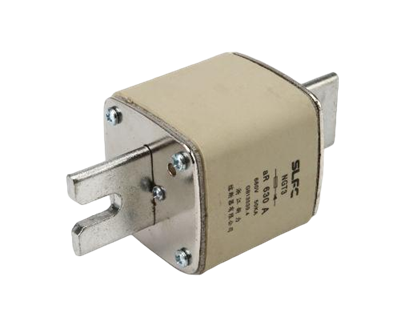
What is the operating life of a PV Fuse Holder under normal conditions?
As a dedicated supplier of PV Fuse Holders, I often encounter inquiries about the operating life of these crucial components in photovoltaic (PV) systems. Understanding the operating life of a PV Fuse Holder is essential for ensuring the long - term reliability and safety of PV installations. In this blog, I will delve into the factors that influence the operating life of PV Fuse Holders under normal conditions and provide valuable insights for PV system designers, installers, and operators.
Understanding PV Fuse Holders
PV Fuse Holders play a vital role in PV systems by providing a secure and reliable connection for fuses. They are designed to withstand the harsh environmental conditions typically found in PV installations, such as high temperatures, UV radiation, and humidity. Fuses are used to protect PV modules, inverters, and other components from overcurrent events, which can cause damage or even pose a fire hazard.

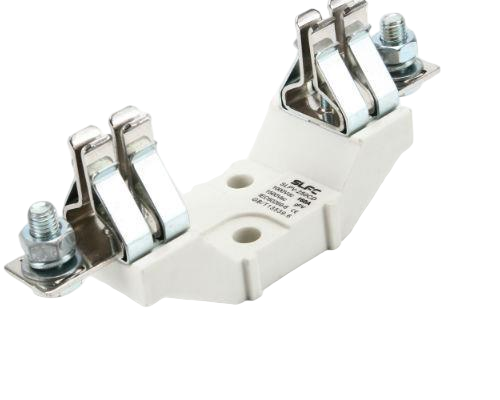
There are different types of fuses commonly used in PV systems, such as TUV Solar Fuse, NH PV Fuse, and 1000VDC Fuse. Each type of fuse has its own characteristics and performance parameters, and the choice of fuse and fuse holder depends on the specific requirements of the PV system.
Factors Affecting the Operating Life of PV Fuse Holders
- Material Quality
The materials used in the construction of PV Fuse Holders have a significant impact on their operating life. High - quality materials, such as flame - retardant plastics and corrosion - resistant metals, can ensure long - term durability. For example, the housing of the fuse holder should be made of a material that can resist UV degradation, which is common in outdoor PV installations. If the material is of poor quality, it may crack or become brittle over time, leading to a loss of electrical insulation and potentially causing safety issues. - Electrical Load
The electrical load that the PV Fuse Holder is subjected to is another critical factor. Fuse holders are rated for specific current and voltage levels. If the actual electrical load exceeds the rated capacity of the fuse holder, it can cause overheating. Overheating can accelerate the aging process of the materials, leading to a shorter operating life. For instance, continuous operation at a high current close to the fuse holder's rating can cause the contacts to degrade more quickly, increasing the resistance and further exacerbating the overheating problem. - Environmental Conditions
PV Fuse Holders are often installed outdoors, where they are exposed to a variety of environmental conditions. Temperature fluctuations, humidity, and pollution can all affect the performance and lifespan of the fuse holder. High temperatures can cause the materials to expand and contract, which may lead to mechanical stress and eventual failure. Humidity can cause corrosion of the metal parts, especially if the fuse holder is not properly sealed. Additionally, air pollution, such as dust and salt in coastal areas, can accumulate on the fuse holder, affecting its electrical performance. - Mechanical Stress
During installation and maintenance, PV Fuse Holders may be subjected to mechanical stress. Improper handling, such as excessive tightening or rough installation, can damage the fuse holder. Vibration from nearby equipment or wind can also cause mechanical stress over time. If the fuse holder is not designed to withstand these stresses, it may develop cracks or loose connections, reducing its operating life.
Estimating the Operating Life
Under normal conditions, a well - designed and properly installed PV Fuse Holder can have an operating life of 10 - 25 years. However, this is only an estimate, and the actual operating life can vary significantly depending on the factors mentioned above.
To extend the operating life of PV Fuse Holders, regular maintenance is essential. This includes visual inspections to check for signs of damage, such as cracks, discoloration, or corrosion. Cleaning the fuse holders to remove dust and debris can also help maintain their performance. Additionally, ensuring that the electrical load is within the rated capacity of the fuse holder and that the environmental conditions are within the specified range can significantly prolong its lifespan.
Importance of Choosing the Right PV Fuse Holder
Selecting the right PV Fuse Holder is crucial for the overall performance and safety of the PV system. A high - quality fuse holder can provide reliable protection for the PV components over its entire operating life. When choosing a fuse holder, it is important to consider factors such as the type of fuse it is compatible with, the rated current and voltage, the environmental ratings, and the quality of the materials.
As a supplier, we offer a wide range of PV Fuse Holders that are designed to meet the diverse needs of PV systems. Our products are made from high - quality materials and are rigorously tested to ensure their performance and reliability. We also provide technical support to help our customers choose the right fuse holder for their specific applications.
Contact for Procurement and Consultation
If you are in the process of designing or installing a PV system and need to procure PV Fuse Holders, we are here to assist you. Our team of experts can provide detailed information about our products, help you select the most suitable fuse holders for your project, and offer guidance on installation and maintenance. We understand the importance of reliable and long - lasting PV components, and we are committed to providing you with the best solutions.
Whether you are a large - scale PV project developer, a system integrator, or a small - scale installer, we can meet your requirements. Contact us today to start a discussion about your PV Fuse Holder needs and take the first step towards a more reliable and efficient PV system.
References
- International Electrotechnical Commission (IEC) standards related to PV fuses and fuse holders.
- Manufacturer's technical documentation for PV Fuse Holders.
- Industry research papers on the performance and reliability of PV components.