


In the realm of electrical protection, fuses play a crucial role in safeguarding circuits from overcurrent conditions. Among the various types of fuses available in the market, the RS3 Fuse stands out for its exceptional performance and reliability. As a trusted RS3 Fuse supplier, I am often asked about the arc - quenching ability of the RS3 Fuse. In this blog post, I will delve into the details of what arc - quenching is, how the RS3 Fuse achieves it, and why it is so important in electrical systems.
Understanding Arc - Quenching
Before we discuss the arc - quenching ability of the RS3 Fuse, it is essential to understand what arc - quenching means. When a fuse blows due to an overcurrent, an electric arc is formed between the separated fuse elements. This arc is a high - temperature, high - energy discharge of electricity through the air or other medium. If not extinguished quickly, the arc can cause significant damage to the electrical equipment, including overheating, melting, and even fire hazards.
Arc - quenching is the process of extinguishing this electric arc as rapidly as possible. It involves creating conditions that prevent the arc from reigniting and ensuring that the circuit is safely interrupted. Effective arc - quenching is vital for the proper functioning of fuses and the overall safety of electrical systems.
How the RS3 Fuse Achieves Arc - Quenching
The RS3 Fuse is designed with advanced technology and materials to provide excellent arc - quenching ability. Here are some of the key features that contribute to its effective arc - quenching performance:
Specialized Fuse Elements
The RS3 Fuse uses carefully engineered fuse elements that are designed to melt and separate quickly when an overcurrent occurs. These elements are made of materials with specific melting points and electrical properties. When the current exceeds the rated value of the fuse, the fuse element heats up and melts, creating a gap in the circuit. The shape and composition of the fuse element are optimized to promote rapid arc extinction.
Arc - Quenching Medium
Inside the RS3 Fuse, there is an arc - quenching medium. This medium is typically a granular material, such as quartz sand. When the fuse element melts and an arc is formed, the arc - quenching medium absorbs the heat and energy from the arc. The sand particles cool the arc, reducing its temperature and conductivity. As the arc cools, it becomes more difficult for the current to flow through it, and the arc is eventually extinguished.
Physical Design
The physical design of the RS3 Fuse also plays a crucial role in arc - quenching. The fuse is constructed in a way that provides a long and tortuous path for the arc to travel. This increases the resistance of the arc and makes it more difficult for the arc to sustain itself. Additionally, the enclosure of the fuse is designed to contain the arc and prevent it from spreading outside the fuse, further enhancing safety.
Importance of Arc - Quenching Ability in Electrical Systems
The arc - quenching ability of the RS3 Fuse is of utmost importance in electrical systems for several reasons:
Equipment Protection
By quickly extinguishing the arc, the RS3 Fuse protects electrical equipment from the damaging effects of the arc. The high temperature and energy of an arc can cause insulation breakdown, component damage, and even complete failure of electrical devices. The RS3 Fuse ensures that the circuit is interrupted safely, minimizing the risk of equipment damage.
Safety
Effective arc - quenching is essential for the safety of personnel and the surrounding environment. An uncontrolled arc can pose a significant fire hazard, especially in areas where flammable materials are present. The RS3 Fuse's ability to quickly extinguish the arc reduces the risk of fire and other safety incidents, providing a reliable layer of protection for electrical installations.

System Reliability
In industrial and commercial electrical systems, reliability is crucial. A fuse with poor arc - quenching ability may experience repeated arcing and re - ignition, leading to unstable circuit operation and potential downtime. The RS3 Fuse's consistent and effective arc - quenching performance ensures that the electrical system operates smoothly and reliably, minimizing disruptions and maintenance costs.
Different Types of RS3 Fuses and Their Arc - Quenching Capabilities
There are several types of RS3 Fuses available, each with its own specific arc - quenching capabilities. For example, the RS3 Fuse Link is designed for general - purpose applications and provides reliable arc - quenching for a wide range of overcurrent conditions. It is commonly used in low - voltage electrical systems to protect circuits from short - circuits and overloads.
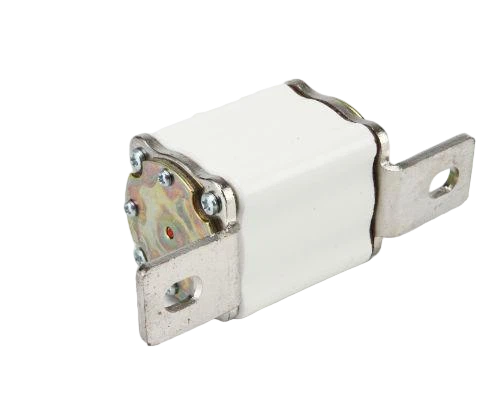
The Bolted Fast Fuse is another type of RS3 Fuse. It is designed for applications where fast - acting protection is required. The bolted design allows for easy installation and replacement, and it also provides excellent arc - quenching performance. This type of fuse is often used in high - current circuits, such as those found in industrial machinery and power distribution systems.
The RS3 - 600 Fuse is specifically designed for higher - voltage and higher - current applications. It has enhanced arc - quenching capabilities to handle the increased energy and stress associated with these types of circuits. The RS3 - 600 Fuse is suitable for use in medium - voltage electrical systems, providing reliable protection against overcurrents and short - circuits.
Testing and Certification of Arc - Quenching Ability
To ensure the quality and reliability of the RS3 Fuse's arc - quenching ability, it undergoes rigorous testing and certification processes. These tests are conducted in accordance with international standards, such as those set by the International Electrotechnical Commission (IEC) and the Underwriters Laboratories (UL).
During testing, the RS3 Fuse is subjected to various overcurrent conditions to simulate real - world scenarios. The performance of the fuse, including its arc - quenching ability, is carefully measured and evaluated. Only fuses that meet the strict requirements of these standards are certified for use in electrical systems. This certification provides assurance to customers that the RS3 Fuse will perform as expected and provide reliable arc - quenching protection.
Why Choose Our RS3 Fuses as Your Supplier
As a leading RS3 Fuse supplier, we are committed to providing high - quality fuses with excellent arc - quenching ability. Here are some reasons why you should choose our RS3 Fuses:
Quality Assurance
We source our RS3 Fuses from reputable manufacturers that adhere to strict quality control processes. All our fuses are tested and certified to meet international standards, ensuring that they provide reliable performance and effective arc - quenching.
Wide Range of Products
We offer a comprehensive range of RS3 Fuses to meet the diverse needs of our customers. Whether you need a fuse for a low - voltage residential application or a high - voltage industrial system, we have the right product for you. Our product range includes different ratings, types, and configurations of RS3 Fuses.
Technical Support
Our team of experts is available to provide technical support and assistance. We can help you select the right RS3 Fuse for your specific application, answer any questions you may have about arc - quenching or fuse performance, and provide guidance on installation and maintenance.
Competitive Pricing
We understand the importance of cost - effectiveness in today's market. That's why we offer our RS3 Fuses at competitive prices without compromising on quality. We strive to provide the best value for your money and help you save on your electrical protection needs.
Contact Us for Your RS3 Fuse Needs
If you are interested in purchasing RS3 Fuses or have any questions about their arc - quenching ability, we encourage you to contact us. Our sales team is ready to assist you with your procurement needs. We can provide you with detailed product information, quotes, and samples. By choosing our RS3 Fuses, you can ensure the safety and reliability of your electrical systems.
References
- International Electrotechnical Commission (IEC). "IEC Standards for Fuses."
- Underwriters Laboratories (UL). "UL Standards for Electrical Fuses."
- Technical literature provided by RS3 Fuse manufacturers.


