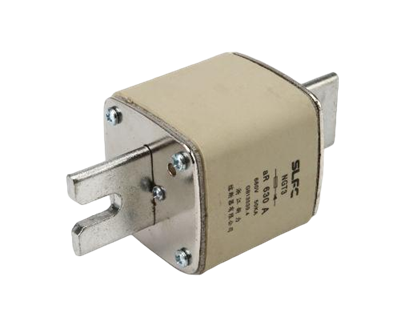
Hey there! As a supplier of Solar Fuse Clip, I often get asked about the difference between a blade and cartridge solar fuse clip. So, I thought I'd break it down for you in this blog post.
First off, let's talk about what a solar fuse clip is in general. A solar fuse clip is an essential component in a solar power system. It's used to hold a fuse in place, which protects the system from over - current situations. When there's too much current flowing through the circuit, the fuse blows, cutting off the electrical connection and preventing damage to the solar panels, inverters, and other equipment.
Blade Solar Fuse Clip
Blade solar fuse clips are quite popular in the solar industry, and for good reasons.
Design and Structure
Blade fuses have a flat, rectangular shape. The blade solar fuse clip is designed to fit these flat - shaped fuses snugly. They usually have two metal prongs that insert into the corresponding slots on the blade fuse. This design provides a secure and stable connection. The prongs are made of conductive materials like copper or brass, which ensure good electrical conductivity.
Installation
Installing a blade solar fuse clip is relatively easy. You simply line up the prongs of the clip with the slots on the blade fuse and press them together. Some blade solar fuse clips also come with a locking mechanism to prevent the fuse from accidentally coming loose. This makes them a great choice for DIY solar installations or for quick maintenance jobs.
Applications
Blade solar fuse clips are commonly used in smaller - scale solar power systems, such as residential solar panels or small off - grid solar setups. They're also a popular choice for low - voltage applications because they can handle lower current ratings effectively. For example, in a small solar - powered shed or a solar - charged battery bank, a blade solar fuse clip can provide reliable over - current protection.
Cartridge Solar Fuse Clip
Now, let's move on to cartridge solar fuse clips.
Design and Structure
Cartridge fuses are cylindrical in shape, and the cartridge solar fuse clip is designed to accommodate this shape. It typically has a holder that encloses the cartridge fuse. The holder has metal contacts at both ends that make electrical contact with the ends of the cartridge fuse. These contacts are designed to provide a firm grip on the fuse, ensuring a stable electrical connection.
Installation
Installing a cartridge solar fuse clip can be a bit more involved compared to a blade solar fuse clip. You need to open the holder, insert the cartridge fuse, and then close the holder securely. Some cartridge solar fuse clips have a screw - down mechanism to hold the fuse in place, which provides an extra level of security.
Applications
Cartridge solar fuse clips are often used in larger - scale solar power systems, such as commercial solar farms or industrial solar installations. They're capable of handling higher current ratings, making them suitable for high - power applications. For instance, in a large solar power plant where the current flow is much higher, a cartridge solar fuse clip can better protect the system from over - current situations.
Key Differences
Shape and Compatibility
The most obvious difference between blade and cartridge solar fuse clips is their shape and the type of fuses they're compatible with. Blade solar fuse clips work with flat, rectangular blade fuses, while cartridge solar fuse clips are designed for cylindrical cartridge fuses. This means you can't use a blade fuse with a cartridge solar fuse clip or vice versa.
Current Rating
Cartridge solar fuse clips generally have a higher current rating compared to blade solar fuse clips. Blade solar fuse clips are usually used for low - to medium - current applications, typically up to around 30 amps. On the other hand, cartridge solar fuse clips can handle much higher current ratings, sometimes up to several hundred amps. This makes them more suitable for large - scale, high - power solar systems.
Installation Complexity
As mentioned earlier, blade solar fuse clips are easier to install. They require less time and effort, making them a great option for those who are new to solar installations or for quick fixes. Cartridge solar fuse clips, however, are a bit more complex to install due to their design and the need to ensure a proper fit and secure connection.
Cost
In general, blade solar fuse clips are more affordable than cartridge solar fuse clips. This is partly because they're simpler in design and used for smaller - scale applications. Cartridge solar fuse clips, with their ability to handle higher currents and more complex designs, tend to be more expensive.
Which One Should You Choose?
The choice between a blade and cartridge solar fuse clip depends on several factors.
If you're working on a small - scale solar project, such as a home solar panel system or a small off - grid setup, a blade solar fuse clip is probably the way to go. It's easy to install, affordable, and suitable for low - current applications.
On the other hand, if you're involved in a large - scale commercial or industrial solar project, a cartridge solar fuse clip is a better choice. It can handle the high current requirements of these systems and provide reliable over - current protection.
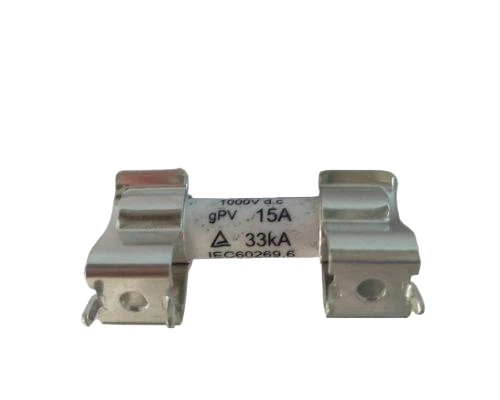

As a supplier of Solar Fuse Clip, I can offer you a wide range of both blade and cartridge solar fuse clips to meet your specific needs. Whether you need a NH PV Fuse or a DC Fuse for Solar, we've got you covered.
If you're in the market for solar fuse clips, I'd love to help you find the right product for your solar power system. Whether you're a professional installer or a DIY enthusiast, we can provide you with high - quality products and expert advice. Feel free to reach out to us to discuss your requirements and start a purchasing negotiation.
References
- Solar Power Systems Handbook: A Guide to Design, Installation, and Maintenance.
- Electrical Engineering for Renewable Energy: Principles and Practices.