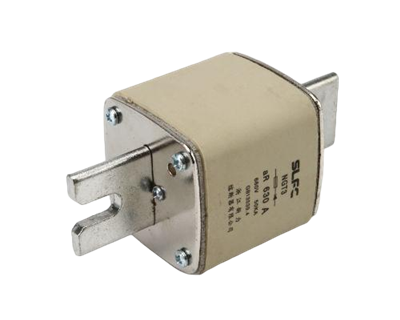
As a supplier of RT18 - 32 Fuses, I've encountered numerous inquiries regarding the markings on these fuses for identification. Understanding these markings is crucial for proper selection, installation, and maintenance of electrical systems. In this blog post, I'll delve into the details of what these markings signify and why they matter.


The Basics of RT18 - 32 Fuses
RT18 - 32 fuses are a type of high - breaking - capacity fuse commonly used in low - voltage electrical systems. They are designed to protect electrical circuits from overcurrent conditions, such as short - circuits and overloads. These fuses come in various ratings and configurations to suit different applications.
Common Markings on RT18 - 32 Fuses
Rating Markings
One of the most prominent markings on an RT18 - 32 fuse is its current rating. This is typically indicated in amperes (A) and represents the maximum current that the fuse can carry continuously without blowing. For example, a fuse marked "10A" is designed to handle a continuous current of up to 10 amperes. Selecting the correct current rating is essential; if the rating is too low, the fuse will blow prematurely, causing unnecessary downtime. Conversely, if the rating is too high, the fuse may not blow when an overcurrent condition occurs, potentially leading to damage to the electrical equipment or even a fire hazard.
In addition to the current rating, the voltage rating is also marked on the fuse. The voltage rating, usually given in volts (V), indicates the maximum voltage that the fuse can safely interrupt. Using a fuse with a voltage rating lower than the circuit voltage can result in arcing and failure to interrupt the current properly. For RT18 - 32 fuses, common voltage ratings include 250V and 500V.
Time - Current Characteristics Markings
Another important aspect of fuse markings is the time - current characteristic. Fuses can have different time - current curves, which describe how quickly the fuse will blow in response to an overcurrent. Some fuses are designed to blow quickly (fast - acting fuses) when a short - circuit occurs, while others are designed to tolerate short - term overloads without blowing (slow - acting or time - delay fuses).
The time - current characteristic is often represented by a letter or a combination of letters and numbers. For example, a "gG" marking on an RT18 - 32 fuse indicates a general - purpose fuse with a full - range breaking capacity. This type of fuse is suitable for protecting cables and general electrical equipment. Other markings may indicate specific applications or performance characteristics.
Manufacturer and Model Markings
Fuses also carry markings that identify the manufacturer and the specific model. These markings can be useful for tracking the origin of the fuse, ensuring its quality and compliance with relevant standards. As a supplier, we take pride in providing RT18 - 32 fuses from reputable manufacturers, and these markings help our customers verify the authenticity and quality of the products.
Importance of Understanding Fuse Markings
Properly interpreting the markings on RT18 - 32 fuses is essential for several reasons. Firstly, it ensures the safety of the electrical system. By selecting the right fuse with the appropriate current and voltage ratings, we can prevent overheating, short - circuits, and other electrical hazards. Secondly, it helps in maintaining the reliability of the electrical equipment. A correctly rated fuse will protect the equipment from damage due to overcurrent, reducing the risk of costly repairs and downtime.
Related Products for RT18 - 32 Fuses
When using RT18 - 32 fuses, it's often necessary to consider related products such as fuse holders. The RT18 - 32 Plastic Fuse Holder is a popular choice for housing RT18 - 32 fuses. It provides a secure and insulated mounting for the fuse, ensuring proper electrical contact and protection.
Another related product is the 10*38 Fuse, which may be used in conjunction with RT18 - 32 fuses in certain applications. These fuses have a specific size and rating that can be integrated into the overall electrical system.
The RT18 - 32 Fuse Holder Base is also an important component. It serves as the foundation for the fuse holder and provides a stable connection to the electrical circuit.
Conclusion
In conclusion, the markings on RT18 - 32 fuses are not just random symbols; they carry vital information about the fuse's performance, rating, and application. As a supplier, we are committed to helping our customers understand these markings and select the right fuses for their specific needs. Whether you are an electrician, an engineer, or a facility manager, having a good understanding of fuse markings is essential for ensuring the safety and reliability of your electrical systems.
If you are interested in purchasing RT18 - 32 fuses or any of the related products mentioned above, we encourage you to reach out to us for a detailed discussion. We can provide you with the necessary technical support and guidance to make the best selection for your application. Let's work together to create a safe and efficient electrical environment.
References
- Electrical Safety Standards and Guidelines
- Manufacturer's Documentation for RT18 - 32 Fuses