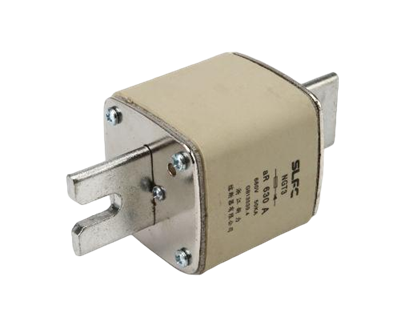
Hey there! As a supplier of PV Fuse Holders, I often get asked about the electrical conductivity of the contacts in these holders. It's a super important topic, especially when it comes to the efficiency and safety of photovoltaic (PV) systems. So, let's dive right in and take a closer look at what's going on with those contacts.
First off, what exactly is electrical conductivity? Well, it's a measure of how easily an electric current can pass through a material. In the case of PV Fuse Holders, the contacts are the parts that connect the fuse to the rest of the electrical circuit. Good electrical conductivity in these contacts is crucial because it ensures that the electrical current can flow smoothly without causing excessive heat or power loss.


The electrical conductivity of the contacts in a PV Fuse Holder depends on a few key factors. One of the most important is the material used to make the contacts. Copper is a popular choice because it has excellent electrical conductivity. It allows electrons to move freely through the material, which means less resistance and more efficient current flow. Another option is silver, which actually has even higher conductivity than copper. However, silver is more expensive, so it's not always the most cost - effective choice.
The surface finish of the contacts also plays a big role. A smooth, clean surface reduces the contact resistance. Over time, though, contacts can get dirty or corroded. Dust, moisture, and oxidation can all build up on the surface, increasing the resistance and reducing the electrical conductivity. That's why it's important to use contacts with a good anti - corrosion coating. Some PV Fuse Holders come with a tin or nickel coating, which helps protect the contacts from environmental factors and keeps the conductivity high.
The design of the contact also impacts its conductivity. A well - designed contact will have a large contact area. When the contact area is bigger, there are more paths for the current to flow, which reduces the overall resistance. For example, some PV Fuse Holders use a multi - point contact design. This means that there are several points of contact between the fuse and the holder, rather than just one. This distributes the current more evenly and improves the conductivity.
Now, let's talk about how the electrical conductivity of the contacts affects the performance of a PV system. In a PV system, the fuses are there to protect the system from overcurrent. If there's a short - circuit or some other fault that causes too much current to flow, the fuse will blow, breaking the circuit and preventing damage to the rest of the system. But if the contacts in the fuse holder have poor conductivity, it can cause problems.
High contact resistance can lead to overheating. When the resistance is high, the electrical energy is converted into heat. This not only reduces the efficiency of the PV system but can also be a safety hazard. Overheating can damage the fuse, the holder, and even other components in the system. In extreme cases, it can cause a fire. So, having contacts with good electrical conductivity is essential for the safe and reliable operation of a PV system.
As a PV Fuse Holder supplier, we understand the importance of high - quality contacts. We offer a range of PV Fuse Holders that are designed to provide excellent electrical conductivity. Our products are made with high - quality materials and advanced manufacturing techniques to ensure that the contacts have low resistance and long - term reliability.
We have different types of fuses that are compatible with our PV Fuse Holders. For example, we offer the TUV Solar Fuse. These fuses are tested and certified to meet strict safety standards, and they work great with our holders to ensure efficient current flow. The 1000VDC Fuse is another option. It's specifically designed for PV systems operating at 1000VDC, and when paired with our holders, it provides reliable overcurrent protection. And of course, we also have the DC Fuse for Solar, which is suitable for a wide range of solar applications.
If you're in the market for PV Fuse Holders, it's important to consider the electrical conductivity of the contacts. Don't just go for the cheapest option. Look for a supplier who understands the science behind good conductivity and who can provide you with high - quality products. At our company, we're committed to providing the best PV Fuse Holders on the market. We test our products rigorously to make sure they meet the highest standards of performance and safety.
Whether you're building a small residential PV system or a large - scale commercial installation, the right PV Fuse Holder can make a big difference. By choosing a holder with good electrical conductivity, you'll ensure that your system runs efficiently and safely for years to come.
If you're interested in learning more about our PV Fuse Holders or have any questions about electrical conductivity, don't hesitate to get in touch. We're here to help you make the best choice for your PV system. Whether it's for a new installation or a replacement part, we've got you covered.
Contact us today to start a conversation about your PV Fuse Holder needs. We're ready to work with you to find the perfect solution for your project.
References:
- "Handbook of Electrical Contacts" by Robert Holm.
- "Photovoltaic Systems Design and Installation Manual" by the North American Board of Certified Energy Practitioners.