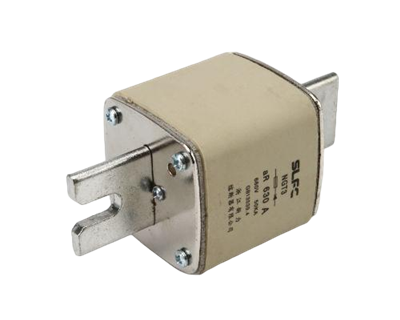
Testing an EV fuse link is a crucial process that ensures the safety and reliability of electric vehicles (EVs). As a supplier of EV fuse links, I understand the significance of proper testing procedures. In this blog, I will share comprehensive insights on how to test an EV fuse link effectively.
Understanding the Importance of EV Fuse Link Testing
EV fuse links play a vital role in protecting the electrical systems of electric vehicles. They are designed to break the circuit in case of an overcurrent situation, preventing damage to the vehicle's components and reducing the risk of fire. Therefore, regular testing of EV fuse links is essential to ensure their proper functioning.
Pre - testing Preparations
Before starting the testing process, it is necessary to take some preparatory steps. First, gather all the required tools and equipment. These may include a multimeter, a fuse puller, safety goggles, and insulated gloves. Safety should always be the top priority, so make sure to wear the appropriate personal protective equipment (PPE).
Next, ensure that the EV is parked in a safe and well - ventilated area. Turn off the vehicle's power system and remove the key from the ignition. This will prevent any accidental electrical shocks during the testing process.
Visual Inspection
The first step in testing an EV fuse link is a visual inspection. Remove the fuse link from its holder using a fuse puller. Inspect the fuse link carefully for any signs of physical damage, such as cracks, burns, or discoloration. A damaged fuse link should be replaced immediately, as it may not function properly when needed.
Also, check the terminals of the fuse link for corrosion or loose connections. Corroded terminals can cause high resistance, which may lead to overheating and premature failure of the fuse link. If corrosion is detected, clean the terminals using a suitable terminal cleaner and a wire brush.
Continuity Testing
Continuity testing is a fundamental method to check if the fuse link is intact. Set the multimeter to the continuity or resistance mode. Place the probes of the multimeter on the two terminals of the fuse link. If the fuse link is in good condition, the multimeter should show a very low resistance (close to zero ohms). This indicates that there is a continuous electrical path through the fuse link.
If the multimeter shows infinite resistance or a very high resistance value, it means that the fuse link is blown and needs to be replaced. A blown fuse link has broken the electrical circuit, and it will not allow current to flow through it.
Current - Rating Testing
In addition to continuity testing, it is important to verify the current - rating of the fuse link. This can be done using a specialized fuse testing device or a current - injection setup. However, this type of testing is more complex and may require professional equipment and expertise.


The current - rating of a fuse link is the maximum current that it can carry without blowing. To test the current - rating, a known current is applied to the fuse link for a specific period. If the fuse link does not blow within the specified time at the rated current, it is considered to be within the acceptable range.
It is crucial to note that applying a current higher than the rated current of the fuse link can cause it to blow, which may damage the testing equipment and pose a safety risk. Therefore, this type of testing should be carried out with extreme caution.
Temperature Testing
Temperature testing is another important aspect of EV fuse link testing. Excessive heat can cause the fuse link to fail prematurely. Use an infrared thermometer to measure the temperature of the fuse link during normal vehicle operation.
A normal operating temperature for an EV fuse link should be within the manufacturer's specified range. If the temperature of the fuse link is significantly higher than the normal range, it may indicate a problem, such as a high - resistance connection or an overloaded circuit. In such cases, further investigation is required to identify and resolve the issue.
Compatibility Testing
When replacing a fuse link, it is essential to ensure that the new fuse link is compatible with the vehicle's electrical system. Check the specifications of the original fuse link, including its voltage rating, current rating, and physical dimensions.
Using an incompatible fuse link can lead to improper operation of the vehicle's electrical system and may even pose a safety hazard. For example, using a fuse link with a lower current rating than required may cause it to blow frequently, while a fuse link with a higher current rating may not protect the circuit effectively.
Conclusion
Testing an EV fuse link is a multi - step process that requires attention to detail and the use of appropriate tools and equipment. Regular testing helps to ensure the safety and reliability of electric vehicles. As a supplier of EV fuse links, we offer a wide range of products, including Automotive Fuse, 150V/250V EV Car Fuse, and Fuse Electric Vehicle.
If you are interested in purchasing high - quality EV fuse links or have any questions about fuse link testing, please feel free to contact us for procurement discussions. We are committed to providing you with the best products and technical support.
References
- Electrical Safety Standards for Electric Vehicles, International Electrotechnical Commission (IEC).
- Fuse Link Testing Guidelines, National Fire Protection Association (NFPA).
- EV Electrical System Manuals, Various EV Manufacturers.