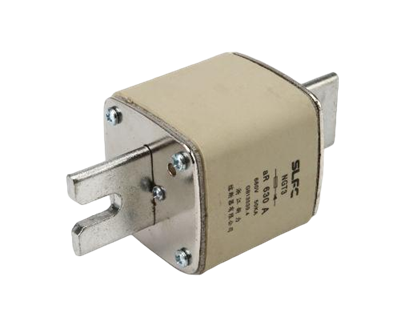
Hey there! As a supplier of NT Fuse Holders, I've been getting a lot of questions lately about electromagnetic interference (EMI) when it comes to our products. So, I thought I'd dive into the topic and share some insights.
First off, let's talk about what electromagnetic interference actually is. EMI is basically the disturbance that affects an electrical circuit due to either electromagnetic induction or electromagnetic radiation emitted from an external source. In simpler terms, it's that annoying "noise" that can mess with the normal operation of electronic devices.
Now, when we're looking at NT Fuse Holders, EMI can be a real concern. These fuse holders are used in various electrical systems, and if there's too much electromagnetic interference, it can lead to some serious problems. For instance, it can cause inaccurate readings in sensitive electronic equipment, lead to malfunctions, or even damage components over time.
One of the main sources of EMI in an NT Fuse Holder can be the current flowing through the fuse. When current passes through a conductor, like the fuse inside the holder, it creates a magnetic field. If this magnetic field is strong enough, it can interact with other nearby components or electrical circuits, causing interference. The same goes for the electrical arcs that can occur when a fuse blows. These arcs generate both electromagnetic radiation and currents, which can spread the interference to other parts of the system.
Another factor that can contribute to EMI in NT Fuse Holders is the quality of the materials used in their construction. Some materials are better conductors of electricity and can help to contain and shield against electromagnetic interference. For example, high - quality metal enclosures can act as a Faraday cage, which helps to block out external electromagnetic fields and also contain the internal ones generated by the fuse holder.


So, how do we, as NT Fuse Holder suppliers, tackle this issue? Well, we start by carefully selecting the materials for our fuse holders. We use materials that have good electrical conductivity and shielding properties. For the NT Fuse Base, we use metals that can effectively ground the electromagnetic energy, reducing the chances of it spreading and causing interference.
In addition to material selection, we also pay close attention to the design of our NT Fuse Holders. Our design engineers work hard to minimize the distance between the fuse and the conducting parts of the holder, which can help to reduce the strength of the magnetic fields generated. We also add shielding layers and proper insulation to prevent the electromagnetic radiation from escaping.
Let's take a closer look at some of our product offerings. Our NT00 3P Fuse Holder is a great example of a product that's designed with EMI in mind. It has a robust construction and is made from high - grade materials that offer excellent shielding. The 3 - pole design is optimized to reduce electromagnetic coupling between the different circuits, which helps to keep the interference to a minimum.
Then there's our NT Fuse Handle. This might seem like a small component, but it plays an important role in the overall EMI performance of the fuse holder. The handle is designed to provide a secure grip and also acts as an additional layer of insulation. By keeping the user isolated from the electrical components, it reduces the chances of any external interference being introduced through human contact.
When it comes to testing, we don't cut any corners. We subject our NT Fuse Holders to a series of rigorous EMI tests. These tests simulate real - world conditions and measure the amount of electromagnetic interference that the fuse holders emit and are susceptible to. We use advanced equipment and follow industry - standard testing procedures to ensure that our products meet or exceed all the relevant EMI standards.
Now, I know what you might be thinking. "This all sounds great, but how do I know if an NT Fuse Holder is right for my application?" The answer lies in understanding your specific requirements. If you're working with sensitive electronic equipment, you'll definitely want to choose a fuse holder with low EMI. On the other hand, if your application is less sensitive to electromagnetic interference, you might have more flexibility in your choice.
We're here to help you make that decision. Our team of experts is always ready to answer your questions and provide you with the information you need to select the right NT Fuse Holder for your project. Whether you're a hobbyist working on a small electronics project or a professional in the electrical industry, we've got the products and the knowledge to support you.
If you're interested in learning more about our NT Fuse Holders or want to discuss your specific needs, don't hesitate to reach out. We're always happy to have a chat and see how we can help you solve your EMI problems.
In conclusion, electromagnetic interference in NT Fuse Holders is a serious issue that can have a big impact on the performance of electrical systems. But with the right materials, design, and testing, we can minimize the effects of EMI and provide you with reliable, high - quality fuse holders. So, if you're in the market for NT Fuse Holders, give us a try. We're confident that you'll be satisfied with our products and our service.
References:
- Electrical Engineering Handbook
- Standards for Electromagnetic Compatibility in Electrical Equipment