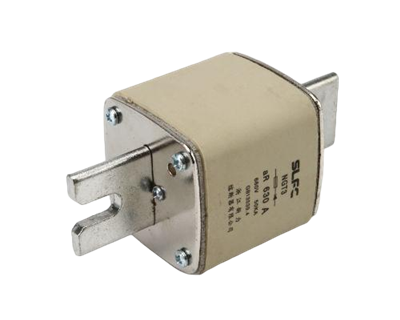
Hey there! I'm a supplier of RT14 Fuses, and today I wanna chat about something that might not be on everyone's radar but can have a huge impact on these fuses: humidity.
First off, let's quickly understand what RT14 Fuses are. They're widely used in electrical systems to protect circuits from overcurrent. You can find them in various industrial and commercial settings, ensuring that things run smoothly and safely. For instance, the RT14-20 Base, RT14-63 Fuse Base, and RT14-32 Fuse Holder are some of the popular models.
Now, let's dig into how humidity affects these fuses.
Corrosion
One of the most obvious impacts of high humidity on RT14 Fuses is corrosion. When the air is full of moisture, the metal parts of the fuse are at risk. Fuses have components made of different metals like copper and brass. These metals react with the water vapor in the air, especially if there are other contaminants present.
Over time, this corrosion can weaken the metal. For example, the contacts in the fuse might start to corrode. These contacts are crucial for the proper flow of electricity. If they get corroded, the resistance at the contact points increases. An increase in resistance means more heat is generated when current passes through the fuse. This extra heat can cause the fuse to operate prematurely or even fail completely.
Imagine a factory where the humidity is constantly high. The RT14 Fuses installed there are likely to face corrosion issues. If not monitored and replaced in time, it could lead to unexpected power outages, which can be a real headache for the business.
Insulation Breakdown
Humidity can also mess with the insulation of the RT14 Fuse. Fuses have insulation materials to prevent current from leaking to other parts of the electrical system. But when the humidity is high, moisture can seep into these insulation materials.
Insulation materials like ceramic or plastic can absorb water. Once water gets into the insulation, it can reduce its dielectric strength. Dielectric strength is a measure of how well an insulating material can withstand an electric field without breaking down.


When the dielectric strength of the insulation decreases, there's a higher chance of electrical arcing. Arcing is when electricity jumps through the air or across a surface where it's not supposed to. This can cause damage to the fuse and other nearby electrical components. In extreme cases, it can even lead to short circuits, which are extremely dangerous as they can cause fires.
Effect on Performance Accuracy
High humidity can throw off the performance accuracy of RT14 Fuses. Fuses are designed to blow at a specific current rating. But when humidity affects the fuse's internal components, this rating can change.
The heat dissipation in the fuse can be affected by humidity. In normal conditions, the fuse dissipates heat at a certain rate. But when the air is humid, the heat transfer process is disrupted. The moisture in the air can act as a barrier to heat transfer, causing the fuse to heat up more than it should at a given current.
As a result, the fuse might blow earlier than its rated current, leading to unnecessary interruptions in the electrical circuit. On the other hand, if the humidity has caused some internal damage that reduces the fuse's sensitivity, it might not blow when it should, putting the entire electrical system at risk.
Mitigating the Impact of Humidity
So, what can we do to reduce the impact of humidity on RT14 Fuses?
First, proper storage is key. When storing the fuses, make sure the environment is dry. Use storage containers with desiccants to absorb any moisture. If possible, store the fuses in a climate - controlled area where the humidity can be regulated.
In the installation environment, use dehumidifiers. This can help maintain a low and stable humidity level. Regular inspections are also important. Check the fuses for signs of corrosion, insulation damage, and other issues. Replace any fuses that show signs of wear or damage.
Conclusion
As a supplier of RT14 Fuses, I know how important it is to understand the factors that can affect their performance. Humidity is one of those factors that can't be ignored. It can cause corrosion, insulation breakdown, and affect the performance accuracy of the fuses.
But with proper precautions like good storage and the use of dehumidifiers, we can minimize these impacts. If you're in need of high - quality RT14 Fuses or have any questions about how to protect them from humidity, don't hesitate to reach out. I'm here to help you ensure that your electrical systems run smoothly and safely. Whether you're interested in the RT14-20 Base, RT14-63 Fuse Base, or RT14-32 Fuse Holder, I've got you covered. Let's start a conversation about your fuse needs and how we can work together to keep your electrical systems in top shape.
References
- Electrical Engineering Handbook, Third Edition, CRC Press
- IEEE Standards for Fuses in Electrical Systems
- Journal of Electrical Insulation and Dielectric Phenomena research papers on humidity effects on electrical components.