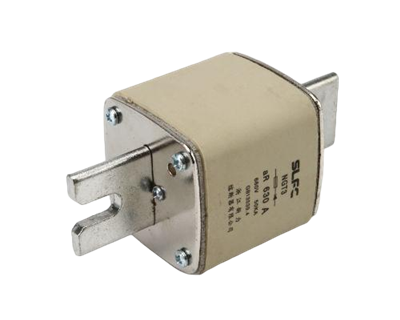
Hey there! As a supplier of RT18 - 63 Fuse, I often get asked about the lifespan of these fuses. So, I thought I'd write this blog to share some insights on this topic.
First off, let's understand what an RT18 - 63 Fuse is. It's a type of fuse commonly used in electrical circuits to protect them from overcurrent. When there's too much current flowing through the circuit, the fuse will blow, breaking the circuit and preventing damage to the electrical equipment.
Now, getting to the main question - what's the lifespan of an RT18 - 63 Fuse? Well, it's not as straightforward as you might think. The lifespan of an RT18 - 63 Fuse can vary depending on several factors.
One of the most significant factors is the operating conditions. If the fuse is used in a stable environment with consistent electrical loads, it's likely to last longer. For example, in a well - maintained industrial setting where the electrical system is designed to operate within specific parameters, the fuse can have a relatively long lifespan. On the other hand, if the fuse is exposed to frequent power surges, voltage fluctuations, or high - temperature environments, its lifespan will be significantly reduced.
Power surges are like little jolts of extra electricity that can occur due to lightning strikes, faulty electrical equipment, or sudden changes in the power grid. These surges can cause the fuse to heat up quickly and may even cause it to blow prematurely. Voltage fluctuations, which can happen when there are changes in the load on the power grid, can also put stress on the fuse. Over time, this stress can weaken the fuse element and reduce its lifespan.
Temperature also plays a crucial role. Fuses are designed to operate within a certain temperature range. If the ambient temperature is too high, the fuse will heat up more quickly, and its internal components can degrade faster. This can lead to a shorter lifespan. For instance, if an RT18 - 63 Fuse is installed in a poorly ventilated area where the temperature can reach high levels, it won't last as long as one installed in a cooler, well - ventilated location.
Another factor is the quality of the fuse itself. As a supplier, I can tell you that there are differences in the quality of fuses available in the market. High - quality RT18 - 63 Fuses are made with better materials and more precise manufacturing processes. These fuses are more likely to have a longer lifespan compared to cheaper, lower - quality alternatives. A well - made fuse will have a more consistent fuse element, which means it can handle normal electrical loads without premature failure.
The frequency of use also matters. If the fuse is constantly being exposed to normal electrical currents and occasional overloads, it will wear out over time. Every time the fuse experiences an overcurrent event, even if it doesn't blow, it undergoes some degree of stress. Repeated stress can cause the fuse element to weaken, and eventually, it will fail.
On average, under normal operating conditions, an RT18 - 63 Fuse can last anywhere from several years to a decade. However, this is just a rough estimate. In some cases, a fuse may last much longer, especially if it's installed in an ideal environment and used sparingly. In other cases, it may fail within a few months if it's subjected to harsh conditions.
Now, if you're in the market for RT18 - 63 Fuses, you might also be interested in related products like the 14*51 Fuse and the RT18 - 63 Base. The 14*51 Fuse is a specific type of fuse that can be used in combination with the RT18 - 63 Fuse in some applications. The RT18 - 63 Base is the housing where the fuse is installed, providing a secure and safe way to connect the fuse to the electrical circuit.
As a supplier, I can offer you high - quality RT18 - 63 Fuses and related products. We understand the importance of having reliable fuses in your electrical systems, and we're committed to providing you with the best products. If you're looking for a trustworthy supplier for your fuse needs, we'd love to have a chat with you. Whether you're a small business owner or part of a large industrial operation, we can help you find the right fuses for your specific requirements.
If you're interested in learning more about our products or want to discuss a potential purchase, don't hesitate to reach out. We're here to answer all your questions and help you make the best decision for your electrical protection needs.
In conclusion, while it's difficult to give an exact lifespan for an RT18 - 63 Fuse, understanding the factors that affect its lifespan can help you make better decisions when it comes to installing and maintaining these fuses in your electrical systems. By choosing high - quality fuses, installing them in suitable environments, and being aware of potential stressors, you can ensure that your fuses last as long as possible.


References
- Electrical Engineering Handbook, various editions
- Manufacturer's documentation for RT18 - 63 Fuse