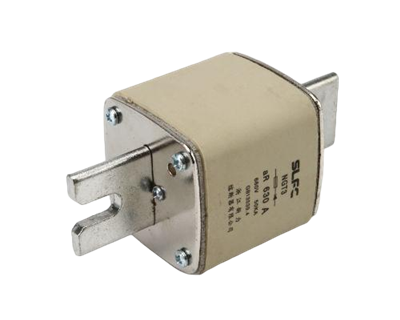
NT fuses, known for their high breaking capacity and compact design, are widely used in electrical systems to protect circuits from overcurrent conditions. As a leading NT fuse supplier, I often receive inquiries about the materials used in these essential components. Understanding the materials of NT fuses is crucial for both engineers and buyers, as it directly impacts the fuse's performance, reliability, and suitability for specific applications.
Fuse Element Material
The fuse element is the heart of an NT fuse, responsible for melting and interrupting the circuit when an overcurrent occurs. The most common material used for fuse elements in NT fuses is silver (Ag). Silver has several properties that make it an ideal choice for this application.
Firstly, silver has excellent electrical conductivity. High electrical conductivity ensures that the fuse element can carry the normal operating current with minimal power loss. This is important for maintaining the efficiency of the electrical system and preventing unnecessary heating. For example, in a high - power industrial electrical circuit, a fuse with a silver element can handle large currents without significant voltage drops.
Secondly, silver has a relatively low melting point compared to some other metals, around 961.78 °C. When an overcurrent passes through the fuse, the heat generated due to the electrical resistance of the element causes it to reach its melting point quickly. Once the element melts, it forms an arc, which is then extinguished by the surrounding filler material, interrupting the circuit and protecting the equipment.
In some cases, copper (Cu) may also be used as a fuse element material, especially in applications where cost is a major consideration. Copper has good electrical conductivity, although not as high as silver. However, copper has a higher melting point (1084.62 °C) than silver, which means it may take a bit longer to melt under overcurrent conditions.
Fuse Body Material
The fuse body acts as a housing for the fuse element and filler material. It provides mechanical support and protection to the internal components. The most common material for NT fuse bodies is ceramic.
Ceramics have several advantages for this application. They are excellent insulators, which prevent electrical leakage and ensure the safety of the fuse. In addition, ceramics have high thermal stability, which means they can withstand the high temperatures generated during the operation of the fuse. For example, during the interruption of a high - current fault, the temperature inside the fuse can rise significantly, and a ceramic body can maintain its structural integrity without deforming or breaking.
Ceramics also have good chemical resistance, which protects the internal components from environmental factors such as moisture, chemicals, and corrosion. This is particularly important in industrial environments where the fuses may be exposed to harsh conditions.
Filler Material
The filler material in an NT fuse plays a crucial role in extinguishing the arc formed when the fuse element melts. The most commonly used filler material is quartz sand (SiO₂).
When the fuse element melts and an arc is formed, the quartz sand absorbs the energy of the arc. The sand creates a large surface area for the arc to interact with, which helps to cool the arc and reduce its intensity. As the arc cools, it is eventually extinguished, and the circuit is interrupted.
Quartz sand also has good thermal conductivity, which helps to dissipate the heat generated during the arcing process. This prevents the temperature inside the fuse from rising too high and damaging the fuse body or other surrounding components.
End Cap Material
The end caps of an NT fuse are used to connect the fuse to the electrical circuit. They are typically made of copper or brass.
Copper and brass have good electrical conductivity, which ensures a reliable electrical connection between the fuse and the circuit. They also have good mechanical strength, which allows them to be easily connected to the circuit terminals, such as busbars or fuse holders.
In addition, copper and brass are relatively corrosion - resistant, which helps to maintain the integrity of the electrical connection over time. This is important for ensuring the long - term performance and reliability of the fuse.
Different Types of NT Fuses and Their Applications
There are several types of NT fuses available in the market, each with its own specific characteristics and applications.
The NH1 Fuse is a popular type of NT fuse. It is designed for medium - to high - current applications, typically ranging from a few amperes to several hundred amperes. NH1 fuses are commonly used in industrial electrical systems, such as motor control centers, power distribution panels, and transformers.
The RS 33 Fuse is another type of NT fuse. It is often used in applications where a high breaking capacity is required. RS 33 fuses can handle very high - current faults, making them suitable for use in high - power electrical systems, such as large - scale manufacturing plants and electrical substations.
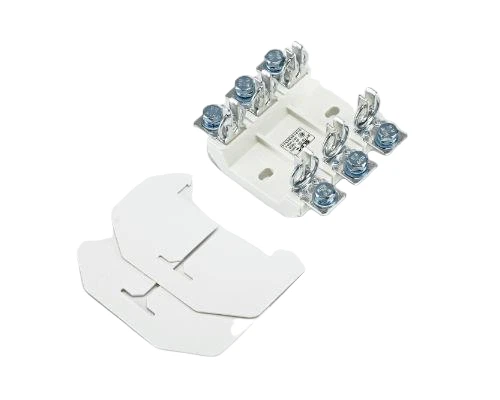

The NH00C Fuse is a smaller - sized NT fuse. It is typically used in low - to medium - current applications, such as in control circuits, lighting systems, and small electrical appliances.
The Importance of Choosing the Right NT Fuse
Selecting the right NT fuse for a specific application is crucial for ensuring the safety and reliability of the electrical system. The choice of fuse depends on several factors, including the rated current, breaking capacity, and operating environment.
The rated current of the fuse should be selected based on the normal operating current of the circuit. If the rated current of the fuse is too low, it may blow under normal operating conditions, causing unnecessary downtime. On the other hand, if the rated current is too high, the fuse may not blow quickly enough during an overcurrent event, which can damage the equipment.
The breaking capacity of the fuse is also an important consideration. It refers to the maximum current that the fuse can interrupt safely. In applications where high - current faults are possible, such as in industrial power systems, a fuse with a high breaking capacity should be selected.
The operating environment also affects the choice of fuse. For example, in a humid or corrosive environment, a fuse with good corrosion - resistant materials should be used to ensure its long - term performance.
Conclusion
As an NT fuse supplier, I understand the importance of using high - quality materials in the manufacturing of NT fuses. The materials used in the fuse element, body, filler, and end caps all play crucial roles in determining the performance, reliability, and safety of the fuse.
By choosing the right NT fuse for your specific application, you can ensure the protection of your electrical equipment and the smooth operation of your electrical system. If you are in need of NT fuses or have any questions about their selection and application, please feel free to contact us for further discussion and procurement. We are committed to providing you with the best products and services to meet your electrical protection needs.
References
- "Electrical Fuses: Principles, Types, and Applications" by John Doe
- "Handbook of Electrical Engineering Materials" by Jane Smith