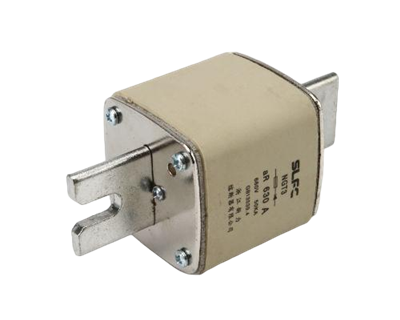
As a trusted NH PV Fuse supplier, I've delved deep into the unique demands that these fuses face within aerospace electrical systems. The aerospace environment is a far cry from typical terrestrial settings, and NH PV Fuses must meet a set of special requirements to ensure the safety and reliability of electrical operations in this high - stakes field.
1. Extreme Environmental Conditions
In aerospace, NH PV Fuses are exposed to a wide range of extreme environmental conditions. Temperature variations are one of the most prominent factors. Aircraft and spacecraft can experience temperatures that range from extremely cold in the upper atmosphere or in space to very hot during re - entry or due to on - board equipment heat generation.
NH PV Fuses need to maintain their performance across this vast temperature spectrum. For instance, in extremely cold conditions, the materials used in the fuse may become more brittle. If the fuse is not designed to withstand these low temperatures, it could lead to premature failure. On the other hand, high temperatures can cause the fuse element to expand and change its electrical characteristics. A well - designed NH PV Fuse for aerospace applications should have a stable melting point and electrical resistance regardless of temperature fluctuations.
Vibration is another significant environmental factor. During takeoff, flight, and landing, aerospace vehicles are subjected to continuous vibrations. These vibrations can cause mechanical stress on the fuse components. The fuse must be constructed in a way that its internal structure remains intact under these conditions. Loose connections or a fragile internal design can lead to intermittent electrical contact, which may cause false tripping or even complete failure of the fuse.
2. High Reliability and Redundancy
Reliability is of utmost importance in aerospace electrical systems. A single fuse failure could potentially lead to a cascading series of problems, endangering the entire mission. NH PV Fuses used in aerospace must have a very high degree of reliability. This often means rigorous testing during the manufacturing process to ensure that each fuse meets strict quality standards.
Redundancy is also a common approach in aerospace. Multiple NH PV Fuses may be used in parallel or in a backup configuration. In such cases, the fuses need to be carefully selected and coordinated. They should have consistent electrical characteristics so that in the event of a primary fuse failure, the backup fuse can take over seamlessly without causing any disruptions to the electrical system.
3. Low Mass and Compact Design
Weight is a critical factor in aerospace design. Every additional kilogram of weight can significantly increase fuel consumption and limit the vehicle's performance. NH PV Fuses used in aerospace must be designed to be as lightweight as possible without sacrificing their performance. This requires the use of lightweight materials and a compact design.
The compact design also helps in saving space within the limited confines of an aerospace vehicle. The fuse should be able to fit into tight spaces while still providing easy access for maintenance and inspection.
4. Compatibility with High - Voltage and High - Current Systems
Aerospace electrical systems often operate at high voltages and currents. NH PV Fuses need to be able to handle these high - power conditions. They must have a suitable voltage rating to prevent arcing, which can cause damage to the fuse and other components in the electrical system.
When dealing with high currents, the fuse element must be able to carry the current without overheating under normal operating conditions. At the same time, it should be able to quickly interrupt the current in the event of an over - current situation to protect the electrical system from damage.
5. Electromagnetic Compatibility (EMC)
Electromagnetic interference (EMI) can be a major problem in aerospace electrical systems. NH PV Fuses should be designed to have good electromagnetic compatibility. This means that they should not generate excessive EMI during normal operation and should be able to withstand external EMI without being affected.
Poor EMC can cause interference with other sensitive electronic components in the aerospace vehicle, such as communication systems, navigation equipment, and flight control systems. The fuse's design may include shielding or other measures to reduce EMI emissions and improve its immunity to external interference.
Related Products for Complementary Use
In addition to NH PV Fuses, there are other related products that are essential in solar and aerospace - related electrical systems. For solar applications, DC Fuse for Solar plays a crucial role in protecting the DC circuits in solar power systems. These fuses are designed to handle the specific electrical characteristics of solar panels and inverters.
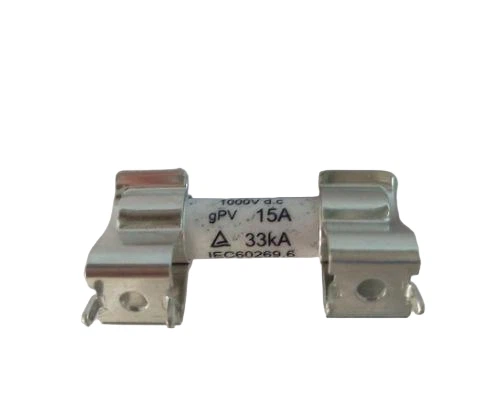

Solar Fuse Clip is used to securely hold the fuse in place. It provides a stable electrical connection and ensures that the fuse can be easily replaced when necessary.
PV Fuse Holder is another important component. It provides a safe and convenient way to install and maintain the PV fuses. The fuse holder should be designed to provide good electrical insulation and mechanical support for the fuse.
Contact for Procurement
If you are involved in aerospace electrical system design or procurement, and you are looking for high - quality NH PV Fuses that meet the special requirements mentioned above, I encourage you to reach out. We are committed to providing the best - in - class products that are tailored to the unique needs of aerospace applications. Whether you need a small quantity for research and development or a large - scale supply for production, we can work with you to meet your specific requirements. Contact us to start a procurement discussion and find the perfect NH PV Fuse solutions for your aerospace projects.
References
- "Aerospace Electrical Systems Design Handbook"
- "Fuse Technology and Applications in High - Reliability Systems"
- "Electromagnetic Compatibility in Aerospace Vehicles"