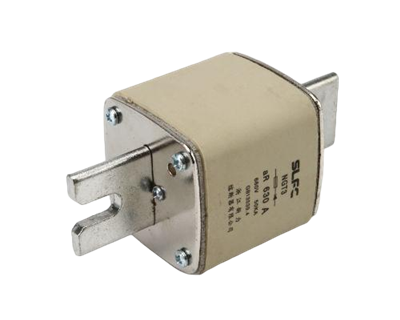
As a PV Fuse Base supplier, I've seen firsthand how corrosion can mess with these crucial components. PV fuse bases are like the unsung heroes in solar power systems, protecting everything from overcurrent and short - circuits. But different types of corrosion can really throw a wrench in their performance. Let's dig into the various types of corrosion that can affect a PV Fuse Base.
Galvanic Corrosion
Galvanic corrosion is one of the most common villains in the world of PV fuse bases. It happens when two different metals come into contact in the presence of an electrolyte, like moisture in the air or rainwater. In a PV system, the fuse base might be made of one metal, and the fuse link or other connected parts could be made of another.
For example, if the fuse base is made of aluminum and the fuse link is made of copper, and there's some moisture around, a galvanic cell is formed. The aluminum, being more anodic (less noble) than copper, will start to corrode. This corrosion can lead to a breakdown of the metal in the fuse base, causing poor electrical connections. A loose or corroded connection can increase resistance, which in turn generates heat. Too much heat can cause the fuse to blow prematurely or even damage the entire PV system.
To prevent galvanic corrosion, we need to be careful about the materials we use in the PV fuse base and its connections. Sometimes, using insulating gaskets or coatings can help separate the different metals and stop the galvanic reaction. We also need to make sure the PV system is installed in a dry environment as much as possible.
Pitting Corrosion
Pitting corrosion is another sneaky type of corrosion that can affect PV fuse bases. It starts as small, localized holes or pits on the surface of the metal. These pits can be hard to spot at first, but they can quickly grow deeper and wider.
In a PV fuse base, pitting corrosion can be caused by impurities in the metal, scratches on the surface, or the presence of certain chemicals in the environment. For instance, if there are salt particles in the air near a coastal PV installation, they can react with the metal in the fuse base and start the pitting process.
Once a pit forms, it can act as a concentration point for corrosion. The metal inside the pit corrodes faster than the surrounding area, and this can weaken the structural integrity of the fuse base. A severely pitted fuse base might not be able to hold the fuse properly, which can lead to electrical problems or even safety hazards.
To detect pitting corrosion early, regular inspections are a must. We can use non - destructive testing methods, like ultrasonic testing, to check for pits inside the metal. And to prevent it, we can apply protective coatings to the fuse base to create a barrier between the metal and the corrosive environment.
Crevice Corrosion
Crevice corrosion occurs in narrow gaps or crevices between two parts of the PV fuse base or between the fuse base and other components. These crevices can trap moisture, dirt, and other contaminants, creating a perfect environment for corrosion.
For example, the gap between the fuse base and the mounting bracket or the space between the fuse and the base can be a breeding ground for crevice corrosion. Inside the crevice, the oxygen supply is limited, which causes a difference in the electrochemical potential between the crevice and the surrounding area. This difference drives the corrosion process.
As the corrosion progresses in the crevice, it can cause the metal to swell and break apart. This can lead to a loss of mechanical strength in the fuse base and affect its electrical performance. To prevent crevice corrosion, we need to design the PV fuse base in a way that minimizes crevices. We can also use sealing compounds to fill any small gaps and prevent moisture and contaminants from getting in.
Stress Corrosion Cracking (SCC)
Stress corrosion cracking is a more serious type of corrosion that can affect PV fuse bases, especially in high - stress applications. It happens when a combination of tensile stress and a corrosive environment causes cracks to form in the metal.
In a PV system, the fuse base might experience stress from mechanical vibrations, thermal expansion and contraction, or the weight of the connected components. When this stress is combined with a corrosive environment, like a humid or salty atmosphere, SCC can occur.
The cracks formed by SCC can spread quickly through the metal, and once they reach a critical size, the fuse base can fail suddenly. This can be extremely dangerous in a PV system, as it can lead to electrical short - circuits and other serious problems.
To prevent SCC, we need to design the PV fuse base to withstand the expected stresses. We can also use materials that are more resistant to stress corrosion cracking. Heat treatment and proper installation techniques can also help reduce the stress on the fuse base.
Impact on PV Fuse Base Performance
All these types of corrosion can have a significant impact on the performance of a PV fuse base. Corrosion can lead to poor electrical conductivity, which is a big no - no in a PV system. A corroded fuse base might not be able to conduct electricity efficiently, causing power losses in the system.


It can also affect the mechanical stability of the fuse base. A corroded base might not hold the fuse securely, which can lead to the fuse vibrating loose or even falling out. This can cause the PV system to malfunction or pose a safety risk.
In addition, corrosion can reduce the lifespan of the PV fuse base. Instead of lasting for years, a corroded fuse base might need to be replaced much sooner, which adds to the maintenance costs of the PV system.
Our Solutions as a PV Fuse Base Supplier
As a PV fuse base supplier, we take these corrosion issues very seriously. We use high - quality materials in our products to minimize the risk of corrosion. For example, we might use stainless steel or coated metals that are more resistant to galvanic, pitting, and crevice corrosion.
We also perform rigorous testing on our fuse bases to make sure they can withstand different environmental conditions. Our products are designed to be as corrosion - resistant as possible, with features like sealed connections and protective coatings.
We offer a range of products, such as the 10mmx85mm 1500V 50KA Solar PV Fuse Link and the SLPV - 32L 10x85 1500Vdc 20A Solar Fuse, which are designed to work seamlessly with our corrosion - resistant fuse bases. And our 1500 Vdc 10x85mm Solar PV Fuse Holder is built to provide a stable and reliable connection for the fuse.
Conclusion
Corrosion is a serious threat to PV fuse bases, but with the right knowledge and prevention measures, we can keep our PV systems running smoothly. As a PV fuse base supplier, we're committed to providing high - quality, corrosion - resistant products. If you're in the market for PV fuse bases or related products, and you want to ensure the long - term performance and reliability of your PV system, don't hesitate to reach out to us. We're here to help you choose the right products and answer any questions you might have about corrosion prevention in your PV system.
References
- Jones, D. A. (1992). Principles and Prevention of Corrosion. Prentice Hall.
- Fontana, M. G. (1986). Corrosion Engineering. McGraw - Hill.