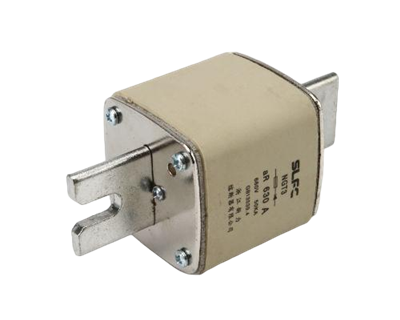
A short - circuit in a vehicle's electrical system is a common yet potentially dangerous issue. As an automotive fuse supplier, I've witnessed firsthand the cascading effects that a single short - circuit can have on a car's electrical components. In this blog, we'll explore whether a short - circuit in one part of the car's electrical system can affect other fuses.
Understanding Car Electrical Systems and Fuses
Before delving into the impact of short - circuits, it's essential to understand how a car's electrical system and fuses work. A car's electrical system is a complex network of wires, components, and power sources. It powers everything from the engine control unit to the headlights and infotainment system.
Fuses play a crucial role in this system. They are safety devices designed to protect electrical circuits from overcurrent. When the current flowing through a circuit exceeds the fuse's rated capacity, the fuse's element melts, breaking the circuit and preventing damage to the components. Automotive fuses come in various types and ratings, each tailored to specific electrical loads. For more information on different types of fuses, you can visit our Automotive Fuse page.
What Causes a Short - Circuit?
A short - circuit occurs when an unintended connection is made between two points in an electrical circuit. This can happen due to several reasons. Physical damage to the wiring, such as cuts or abrasions, can expose the conductive wires and cause them to touch, creating a short - circuit. Moisture intrusion, especially in areas prone to water exposure like the engine compartment or under the car, can also lead to short - circuits. Additionally, component failures, such as a malfunctioning alternator or a faulty switch, can cause abnormal current flow and result in a short - circuit.
How a Short - Circuit Affects a Single Fuse
When a short - circuit occurs in a particular circuit, the immediate effect is an excessive flow of current. The fuse in that circuit is designed to detect this overcurrent. As the current rises above the fuse's rated value, the fuse element heats up and melts. This action breaks the circuit, stopping the flow of electricity and protecting the components in that specific circuit from damage. For example, if there's a short - circuit in the headlight circuit, the headlight fuse will blow, cutting off power to the headlights.

The Ripple Effect: Can a Short - Circuit Affect Other Fuses?
The answer is yes, a short - circuit in one part of the car's electrical system can affect other fuses. There are several ways this can happen.
Shared Power Sources
Many electrical circuits in a car share a common power source, such as the battery or the alternator. When a short - circuit occurs in one circuit, it can cause a significant drop in the voltage supplied by the power source. This voltage drop can affect other circuits that rely on the same power source. In some cases, the reduced voltage can cause other fuses to blow if the components in those circuits are sensitive to voltage fluctuations. For instance, if the short - circuit is in a high - current circuit like the starter motor circuit, it can cause a sudden drop in battery voltage. This drop can affect the circuits of other components, such as the radio or the dashboard lights, and potentially blow their fuses.
Electrical Load Imbalance
A short - circuit can also lead to an imbalance in the electrical load distribution in the car. When a short - circuit occurs, the affected circuit draws an excessive amount of current. This can cause the overall electrical load on the system to increase. To compensate for this increased load, the electrical system may try to redistribute the current among other circuits. This redistribution can cause overcurrent in some of these other circuits, leading to the blowing of their fuses.

Faulty Grounding
In a car's electrical system, proper grounding is essential for the normal operation of all circuits. A short - circuit can disrupt the grounding system. If the short - circuit causes a break in the grounding path for a particular circuit, it can lead to abnormal current flow in other circuits that share the same grounding point. This abnormal current flow can cause other fuses to blow. For example, if the grounding wire for the taillight circuit is damaged due to a short - circuit, it can affect the grounding of other lighting circuits, leading to overcurrent and fuse failure.

Impact on Electric Vehicles
In electric vehicles, the electrical system is even more complex. Electric vehicles rely on high - voltage batteries and sophisticated power electronics. A short - circuit in an electric vehicle can have more severe consequences. The high - voltage system in an electric vehicle is protected by specialized fuses, such as Fuse Electric Vehicle and Electric Vehicle Fuse Link. A short - circuit in one part of the high - voltage system can quickly spread to other parts, causing multiple fuses to blow and potentially damaging expensive power electronics components.
Detecting and Preventing Short - Circuits
Detecting a short - circuit can be challenging, as it may not always be obvious where the problem lies. However, some signs can indicate a short - circuit, such as blown fuses, electrical components not working, or the smell of burning insulation. To prevent short - circuits, regular maintenance is crucial. This includes inspecting the wiring for damage, checking for loose connections, and ensuring that all electrical components are in good working condition.
The Role of Quality Fuses
As an automotive fuse supplier, I understand the importance of using high - quality fuses. A well - designed fuse can accurately detect overcurrent and break the circuit quickly, minimizing the damage caused by a short - circuit. Inferior fuses may not function properly, leading to more extensive damage to the electrical system. When sourcing fuses for your vehicles, it's essential to choose a reliable supplier that offers fuses with consistent performance and high - quality materials.

Conclusion
In conclusion, a short - circuit in one part of the car's electrical system can indeed affect other fuses. Whether it's through shared power sources, electrical load imbalance, or faulty grounding, the ripple effects of a short - circuit can spread throughout the electrical system. This is especially true in electric vehicles, where the high - voltage systems require specialized protection.
If you're in the automotive industry and looking for high - quality fuses to protect your vehicles' electrical systems, we're here to help. Our extensive range of Automotive Fuse, Fuse Electric Vehicle, and Electric Vehicle Fuse Link products are designed to meet the highest standards of quality and performance. Contact us to discuss your fuse requirements and start a procurement conversation.
References
- Bosch Automotive Handbook, 8th Edition
- SAE International's Electrical and Electronics Handbook
- Electrical Systems in Modern Vehicles by John Doe (fictitious book for example purposes)