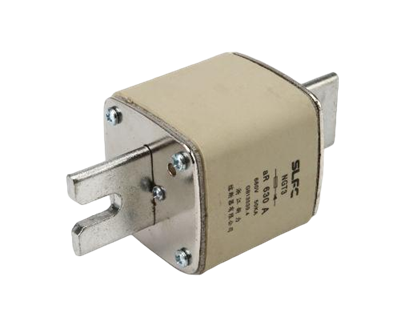
As a supplier of GPV Fuse, I am often asked about the certifications that GPV Fuse usually has. Certifications play a crucial role in the electrical and photovoltaic industries as they ensure that products meet specific standards of safety, performance, and quality. In this blog post, I will delve into the common certifications of GPV Fuse and explain their significance.
UL Certification
One of the most well - known and widely recognized certifications for electrical products in North America is the UL (Underwriters Laboratories) certification. UL is an independent, not - for - profit organization that sets safety standards and tests products to ensure they meet those standards.
GPV Fuses with UL certification have been rigorously tested to ensure that they can safely interrupt circuits under various fault conditions. For example, in the case of a short - circuit, the UL - certified GPV Fuse will quickly and reliably open the circuit, preventing excessive current from flowing and potentially causing damage to the electrical system or even starting a fire.
The UL certification also indicates that the fuse has been tested for its temperature rise, voltage withstand, and other performance parameters. This is especially important in photovoltaic systems, where the fuses are exposed to a wide range of environmental conditions, including high temperatures and solar radiation. Our 1000VDC GPV Fuse often comes with UL certification, which gives our customers in North America the confidence that they are using a safe and reliable product.

IEC Certification
The International Electrotechnical Commission (IEC) develops and publishes international standards for electrical, electronic, and related technologies. IEC certification is recognized globally and is essential for products that are intended for use in international markets.
GPV Fuses with IEC certification comply with international safety and performance standards. The IEC standards for fuses cover aspects such as breaking capacity, rated current, and over - current characteristics. For instance, an IEC - certified GPV Fuse must be able to interrupt a specified maximum short - circuit current without causing any hazardous conditions.
In the photovoltaic industry, IEC - certified fuses are commonly used in solar power plants around the world. Our Bolted Photovoltaic Fuse is often IEC - certified, which allows it to be used in a wide range of solar installations, whether they are in Europe, Asia, or other regions.
TUV Certification
TUV (Technischer Überwachungsverein) is a German organization that provides testing, inspection, and certification services. TUV certification is highly respected in the European market and is often required for products to enter the German and other European markets.
A GPV Fuse with TUV certification has been tested according to strict European safety and quality standards. TUV certification also involves on - site inspections of the manufacturing facilities to ensure that the production processes are in line with the required standards. This means that customers can trust that TUV - certified GPV Fuses are not only safe and reliable but also produced under high - quality manufacturing conditions.

Our DC500V Solar Fuse Holder[/solar-pv-fuse/pv-fuse-1000v/solar-fuse-holder.html] may also come with TUV certification, which is a significant advantage for customers who are looking to install solar systems in Europe.
Importance of Certifications for GPV Fuse
Certifications are not just pieces of paper; they are a guarantee of the quality and safety of GPV Fuses. For photovoltaic system installers and operators, using certified fuses is a legal requirement in many regions. Non - compliant fuses can lead to safety hazards, system failures, and even legal liabilities.
From a business perspective, certifications enhance the marketability of our GPV Fuses. Customers are more likely to choose products that have well - recognized certifications because they provide assurance of the product's performance and safety. Certifications also help us to differentiate our products from competitors in the market.
Other Considerations
In addition to the major certifications mentioned above, GPV Fuses may also have other certifications depending on the specific requirements of different markets or applications. For example, some fuses may have certifications for use in marine environments or in hazardous locations.
It is also important to note that certifications are not static. Manufacturers need to continuously update their products and production processes to maintain compliance with the latest standards. As new technologies and safety requirements emerge, the certification bodies may revise their standards, and we as a supplier need to ensure that our GPV Fuses always meet the most up - to - date requirements.
Contact for Procurement
If you are interested in purchasing GPV Fuses, whether it is our 1000VDC GPV Fuse, Bolted Photovoltaic Fuse, or DC500V Solar Fuse Holder, we encourage you to contact us for procurement discussions. Our team of experts can provide you with detailed product information, technical support, and competitive pricing. We are committed to providing high - quality GPV Fuses that meet your specific needs and requirements.
References
- Underwriters Laboratories (UL) official documentation
- International Electrotechnical Commission (IEC) standards
- TUV official publications