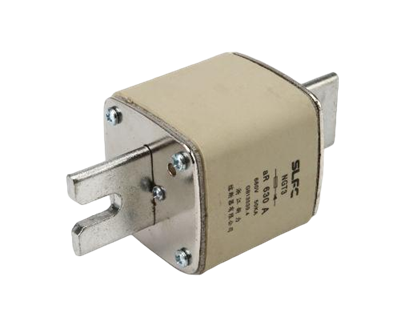
Hey there! As a GPV Fuse supplier, I often get asked a whole bunch of questions from folks in the industry. One question that pops up quite a bit is, "Can GPV Fuse be used in motor - control circuits?" Well, let's dig into this topic and break it down.
First off, we need to know what a GPV Fuse is. GPV Fuses are general - purpose fuses that are designed to protect electrical circuits from overcurrent conditions. They are commonly used in solar applications, as they can handle high voltages and currents, like in the DC1000V Solar PV Fuse Holder Base and DC500V Solar Fuse Holder. These fuses are built to quickly interrupt the circuit when the current exceeds a certain level, thus preventing damage to the electrical equipment.
Now, let's talk about motor - control circuits. Motors can draw high starting currents, sometimes several times the normal operating current. These high starting currents are usually brief, but they need to be considered when choosing a fuse for the circuit. A suitable fuse should be able to withstand these short - term high currents without blowing, while still protecting the motor in case of a long - term overcurrent situation.
So, can GPV Fuses work in motor - control circuits? Well, it depends. GPV Fuses are rated for specific currents and voltages. If the motor - control circuit has requirements that match the ratings of the GPV Fuse, it might be possible to use it. For example, if the starting current of the motor is within the inrush current tolerance of the GPV Fuse and the normal operating voltage and current of the circuit are within the rated capacity of the fuse, then it could be a viable option.
However, we need to be cautious. Motors are sensitive equipment, and improper fuse selection can lead to premature fuse blowing. If the GPV Fuse is too sensitive, it may blow during the normal starting process of the motor, causing unnecessary downtime. On the other hand, if it's too slow to react, it may not provide adequate protection in case of a real overcurrent fault.


Let's look at some factors to consider when deciding if a GPV Fuse can be used in a motor - control circuit:
- Inrush current: As mentioned earlier, motors can have high inrush currents during startup. We need to make sure the GPV Fuse can handle these transient spikes. This means looking at the fuse's time - current characteristics. Some GPV Fuses are designed to tolerate short - term high currents better than others.
- Normal operating current: The normal operating current of the motor should be well within the rated current of the GPV Fuse. If the motor operates close to or above the fuse's rated current for an extended period, the fuse will eventually blow, even if there is no fault.
- Voltage rating: The voltage rating of the GPV Fuse must be equal to or higher than the voltage of the motor - control circuit. Using a fuse with a lower voltage rating can lead to arcing and other safety hazards.
- Fault current levels: In case of a fault in the motor or the wiring, the GPV Fuse should be able to interrupt the circuit safely. This requires an understanding of the potential fault currents in the system and ensuring that the fuse has an appropriate interrupting rating.
In solar applications, GPV Fuses are often combined with holders like the DC1000V TUV RoHS GPV Fuse Holder Base. These holders are designed to provide a secure and reliable connection for the fuses. When considering using GPV Fuses in motor - control circuits, we also need to think about the appropriate fuse holders. The holder should be able to handle the current and voltage of the circuit and provide proper insulation.
Another aspect to consider is the environmental conditions. Motors can generate heat, and the surrounding environment of the motor - control circuit may be hot, humid, or subject to vibrations. The GPV Fuse and its holder need to be able to withstand these conditions without degrading in performance.
If you're still unsure whether a GPV Fuse is the right choice for your motor - control circuit, don't hesitate to reach out. As a GPV Fuse supplier, I've got the expertise and experience to help you make the right decision. Whether it's determining the correct fuse rating, choosing the appropriate holder, or understanding how the fuse will perform in your specific application, I can offer valuable insights.
In conclusion, while it's possible to use GPV Fuses in motor - control circuits, it requires careful consideration of various factors. The starting and operating currents of the motor, the voltage rating, and the expected fault currents all play a crucial role in determining whether a GPV Fuse is suitable. By taking the time to assess these factors and potentially consulting with an expert, you can ensure the safe and reliable operation of your motor - control circuit.
If you're interested in learning more about GPV Fuses and their potential use in your motor - control circuits, or if you're looking to place an order, I'd love to hear from you. We can have a detailed discussion about your requirements and find the best solutions for your needs. Let's start the conversation and get you on the right track for a well - protected electrical system.
References
- General electrical engineering textbooks on motor control and fuses.
- Industry standards and guidelines related to fuse selection and motor protection.