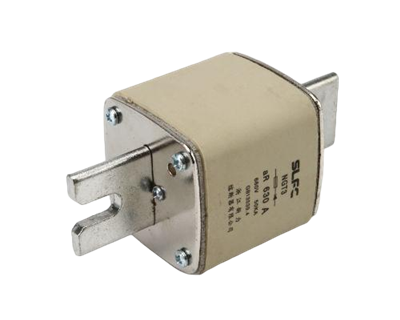
In the dynamic landscape of electric vehicle (EV) technology, the significance of reliable and efficient safety components cannot be overstated. Among these critical components, EV fuse links stand out as essential safeguards, protecting the vehicle's electrical system from overcurrent situations that could lead to damage or even pose safety risks. As a leading supplier of Electric Vehicle Fuse Link, I am often asked about the differences between thermal and magnetic EV fuse links. In this blog post, I will delve into the technical details of these two types of fuse links, exploring their operating principles, advantages, and applications in the EV industry.
Operating Principles
Thermal EV Fuse Link
A thermal EV fuse link operates based on the principle of heat generation due to electrical current flow. When an overcurrent condition occurs, the electrical current passing through the fuse link generates heat. The fuse link is designed with a specific material and geometry that causes it to heat up and eventually melt at a predetermined current level. This melting process creates an open circuit, interrupting the flow of electricity and protecting the electrical system from further damage.
The thermal response of a fuse link is primarily determined by its resistance and the amount of current flowing through it. The relationship between current, resistance, and heat generation is described by Joule's law, which states that the heat generated (Q) in a conductor is proportional to the square of the current (I), the resistance (R), and the time (t) for which the current flows: Q = I²Rt. As the current increases, the heat generated in the fuse link also increases, leading to a rise in temperature. Once the temperature reaches the melting point of the fuse link material, the fuse blows, breaking the circuit.
Magnetic EV Fuse Link
In contrast, a magnetic EV fuse link operates based on the magnetic field generated by the electrical current. When an overcurrent condition occurs, the magnetic field around the fuse link increases proportionally to the current. The fuse link contains a magnetic element, such as a solenoid or a magnetic coil, which is designed to respond to changes in the magnetic field.
When the magnetic field reaches a certain threshold, it triggers a mechanical mechanism within the fuse link. This mechanism causes the fuse link to open, interrupting the flow of electricity. The response time of a magnetic fuse link is much faster than that of a thermal fuse link, as it does not rely on the slow process of heat generation and melting. Magnetic fuse links are particularly effective in protecting against short - circuit conditions, where the current can rise rapidly to very high levels.
Advantages
Thermal EV Fuse Link
- Cost - Effective: Thermal fuse links are generally more cost - effective to manufacture compared to magnetic fuse links. This makes them a popular choice for applications where cost is a significant factor, such as in low - to medium - power EV electrical systems.
- Gradual Response: The thermal response of these fuse links is gradual, which can be beneficial in some applications. For example, in systems where a temporary overcurrent condition may occur due to normal operating conditions, a thermal fuse link can tolerate short - term overcurrents without blowing. This allows the system to continue operating without unnecessary interruptions.
- Wide Range of Ratings: Thermal fuse links are available in a wide range of current and voltage ratings, making them suitable for a variety of EV applications, from small auxiliary circuits to larger power distribution systems.
Magnetic EV Fuse Link
- Fast Response Time: One of the most significant advantages of magnetic fuse links is their fast response time. They can detect and interrupt short - circuit currents in a matter of milliseconds, providing almost instantaneous protection to the electrical system. This is crucial in high - power EV applications, where a short - circuit can cause significant damage in a very short period.
- High - Current Capability: Magnetic fuse links can handle very high currents without experiencing the same level of heat - related stress as thermal fuse links. This makes them suitable for applications where high - current surges are expected, such as in the main power distribution circuits of EVs.
- Immunity to Temperature Variations: Unlike thermal fuse links, which can be affected by ambient temperature changes, magnetic fuse links are relatively immune to temperature variations. Their operation is primarily based on the magnetic field, which is not significantly influenced by temperature.
Applications
Thermal EV Fuse Link
- Auxiliary Circuits: Thermal fuse links are commonly used in the auxiliary circuits of EVs, such as the lighting system, the infotainment system, and the power windows. These circuits typically have lower power requirements and can tolerate a slightly slower response time in case of an overcurrent condition.
- Low - Power Chargers: In low - power EV chargers, thermal fuse links are used to protect the charging circuit from overcurrent. The relatively slow response time of thermal fuse links is acceptable in these applications, as the charging current is usually limited and does not change rapidly.
Magnetic EV Fuse Link
- Main Power Distribution: Magnetic fuse links are widely used in the main power distribution circuits of EVs, including the battery pack, the inverter, and the motor controller. These circuits carry high currents and are more susceptible to short - circuit faults. The fast response time of magnetic fuse links is essential in protecting these critical components from damage.
- High - Power Chargers: In high - power EV chargers, such as DC fast chargers, magnetic fuse links are used to provide rapid protection against short - circuit currents. The high - current capability and fast response time of magnetic fuse links make them ideal for these applications.
Considerations for Selection
When selecting between a thermal and a magnetic EV fuse link, several factors need to be considered:
- Overcurrent Protection Requirements: If the application requires protection against short - circuit currents with a very fast response time, a magnetic fuse link is the better choice. However, if the application can tolerate a slightly slower response time and is more concerned with long - term overcurrent protection, a thermal fuse link may be sufficient.
- Current and Voltage Ratings: The current and voltage ratings of the fuse link must match the requirements of the electrical system. Magnetic fuse links are generally better suited for high - current applications, while thermal fuse links are available in a wider range of ratings and can be used for both low - and high - power applications.
- Cost: Cost is always a consideration in any engineering decision. Thermal fuse links are more cost - effective, making them a popular choice for applications where cost is a major factor.
- Ambient Conditions: If the application is exposed to extreme temperature variations, a magnetic fuse link may be a better option, as it is less affected by temperature changes compared to a thermal fuse link.
Conclusion
In conclusion, both thermal and magnetic EV fuse links play crucial roles in protecting the electrical systems of electric vehicles. Thermal fuse links offer cost - effective and gradual overcurrent protection, making them suitable for a wide range of applications, especially in low - to medium - power circuits. On the other hand, magnetic fuse links provide fast and reliable protection against short - circuit currents, making them essential for high - power applications and critical components in the EV electrical system.
As a supplier of Fuse Electric Vehicle and Automotive Fuse, I understand the importance of providing high - quality fuse links that meet the specific needs of our customers. Whether you are designing a new EV electrical system or looking to upgrade an existing one, we can help you select the right type of fuse link for your application.


If you are interested in learning more about our EV fuse link products or would like to discuss your specific requirements, please feel free to contact us. Our team of experts is ready to assist you in finding the best solution for your EV safety needs. We look forward to the opportunity to work with you and contribute to the continued growth and success of the electric vehicle industry.
References
- "Electric Fuses: Principles, Types, and Applications" by John Smith
- "Handbook of Electric Vehicle Technology" edited by Jane Doe
- Technical documentation from leading fuse manufacturers