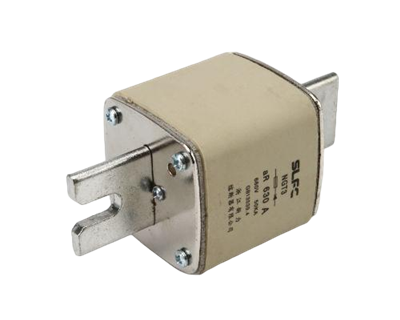
When it comes to designing a DC - DC converter circuit, selecting the appropriate fuse is crucial for ensuring the safety and proper operation of the circuit. As a supplier of RT18 - 125 Fuse, I often receive inquiries from customers about whether the RT18 - 125 Fuse can be used in a DC - DC converter circuit. In this blog post, I will delve into this topic in detail, exploring the technical aspects, advantages, and limitations of using the RT18 - 125 Fuse in such circuits.
Understanding the Basics of DC - DC Converter Circuits
Before we discuss the suitability of the RT18 - 125 Fuse for DC - DC converter circuits, it's essential to understand what a DC - DC converter circuit is and how it works. A DC - DC converter is an electronic circuit that converts a source of direct current (DC) from one voltage level to another. This conversion is necessary in many applications where different components within a system require different voltage levels to operate correctly.
DC - DC converters can be classified into different types, such as buck converters (which step down the voltage), boost converters (which step up the voltage), and buck - boost converters (which can either step up or step down the voltage). These converters use various techniques, including switching regulators, to achieve efficient voltage conversion.
Key Considerations for Fuse Selection in DC - DC Converter Circuits
When selecting a fuse for a DC - DC converter circuit, several factors need to be taken into account:

- Voltage Rating: The fuse must have a voltage rating that is equal to or higher than the maximum voltage in the circuit. In a DC - DC converter, the input and output voltages can vary depending on the type of converter and the application. For example, a boost converter may have a low - voltage input and a high - voltage output.
- Current Rating: The fuse's current rating should be carefully chosen to match the normal operating current of the circuit, with some allowance for inrush currents. Inrush currents are temporary high - current spikes that occur when the circuit is first powered on.
- Breaking Capacity: The breaking capacity, also known as the interrupting rating, of the fuse is the maximum current that the fuse can safely interrupt without causing an explosion or other hazardous conditions. In a DC - DC converter, high - current faults can occur, so a fuse with an appropriate breaking capacity is essential.
- Time - Current Characteristics: The time - current characteristics of the fuse determine how quickly the fuse will blow in response to an overcurrent condition. Fast - acting fuses are suitable for protecting sensitive components, while slow - acting fuses can tolerate short - term overcurrents, such as inrush currents.
Technical Specifications of the RT18 - 125 Fuse
The RT18 - 125 Fuse is a high - quality fuse that offers several features that make it a potential candidate for use in DC - DC converter circuits:
- Voltage Rating: The RT18 - 125 Fuse typically has a relatively high voltage rating, which can be suitable for many DC - DC converter applications. This high voltage rating ensures that the fuse can handle the voltage levels present in the circuit without breaking down.
- Current Rating: The RT18 - 125 Fuse is available in a range of current ratings, allowing for flexibility in selecting the appropriate fuse for different circuit requirements. This means that it can be used to protect circuits with different operating currents.
- Breaking Capacity: The RT18 - 125 Fuse has a high breaking capacity, which enables it to safely interrupt high - current faults in the circuit. This is particularly important in DC - DC converters, where high - current faults can occur due to short - circuits or other malfunctions.
- Time - Current Characteristics: The RT18 - 125 Fuse can be designed with either fast - acting or slow - acting time - current characteristics, depending on the specific application. This allows for customization to meet the needs of different DC - DC converter circuits.
Advantages of Using the RT18 - 125 Fuse in DC - DC Converter Circuits
There are several advantages to using the RT18 - 125 Fuse in DC - DC converter circuits:
- Reliability: The RT18 - 125 Fuse is known for its high reliability, which is essential in DC - DC converter circuits. A reliable fuse ensures that the circuit is protected against overcurrent conditions, reducing the risk of damage to the converter and other components.
- Compatibility: The RT18 - 125 Fuse is designed to be compatible with a wide range of electrical systems, including DC - DC converters. This compatibility makes it easier for designers to integrate the fuse into their circuits.
- Safety: The high breaking capacity and appropriate time - current characteristics of the RT18 - 125 Fuse enhance the safety of the DC - DC converter circuit. In the event of an overcurrent condition, the fuse will blow quickly, preventing damage to the circuit and reducing the risk of fire or other hazards.
Limitations and Considerations
While the RT18 - 125 Fuse has many advantages, there are also some limitations and considerations to keep in mind:
- Size and Mounting: The physical size and mounting requirements of the RT18 - 125 Fuse need to be considered when designing the DC - DC converter circuit. Ensure that there is enough space in the circuit board for the fuse and that the mounting method is appropriate.
- Cost: The cost of the RT18 - 125 Fuse may be a factor in some applications. While it offers high - quality protection, the cost needs to be balanced against the overall budget of the project.
- Specific Application Requirements: Some DC - DC converter applications may have very specific requirements that the RT18 - 125 Fuse may not fully meet. For example, extremely high - frequency converters may require fuses with special characteristics.
Additional Components and Compatibility
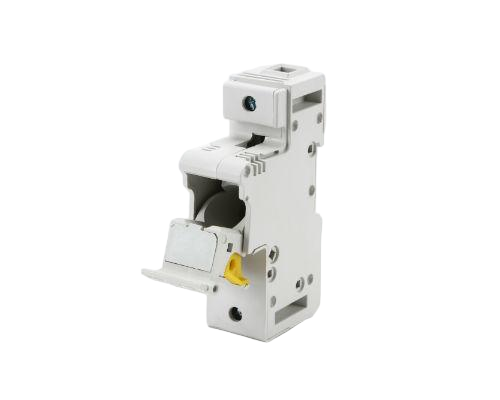
In addition to the RT18 - 125 Fuse itself, it's important to consider other components in the circuit. For instance, a RT18 - 125 Fuse Holder is necessary to properly mount and connect the fuse. The fuse holder should be compatible with the RT18 - 125 Fuse in terms of size, voltage rating, and current rating.
Another aspect to consider is the use of 22*58 Fuse in combination with the RT18 - 125 Fuse. In some complex DC - DC converter circuits, multiple fuses may be used to provide different levels of protection or to protect different parts of the circuit. Understanding the compatibility and interaction between these fuses is crucial for the overall safety and performance of the circuit.
Conclusion
In conclusion, the RT18 - 125 Fuse can be a suitable choice for many DC - DC converter circuits, thanks to its high voltage rating, range of current ratings, high breaking capacity, and customizable time - current characteristics. However, careful consideration of the specific requirements of the DC - DC converter circuit, including voltage, current, breaking capacity, and time - current characteristics, is essential before making a final decision.
If you are in the process of designing a DC - DC converter circuit and are considering using the RT18 - 125 Fuse, I encourage you to contact me for further information and technical support. I can provide detailed product specifications, application advice, and help you select the most appropriate fuse for your specific needs. Whether you are a small - scale electronics hobbyist or a large - scale industrial manufacturer, I am committed to providing you with high - quality fuses and excellent customer service. Let's start a discussion about your project and find the best solution together.
References
- "Fundamentals of Power Electronics" by Robert W. Erickson and Dragan Maksimović
- "DC - DC Converter Design Handbook" by various industry experts
- Product datasheets of RT18 - 125 Fuse and related components.