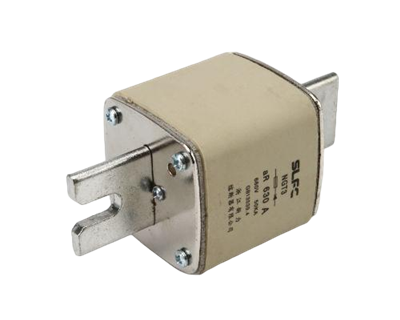
As a supplier of TUV Solar Fuses, I am often asked about how international standards regulate these crucial components in the solar energy industry. TUV Solar Fuses play a vital role in protecting solar photovoltaic (PV) systems from over - current situations, ensuring the safety and reliability of the entire system. In this blog, I will delve into the ways international standards regulate TUV Solar Fuses, which can help our customers better understand the products we offer.
1. International Standards Overview
There are several key international standards that govern the design, manufacturing, and performance of TUV Solar Fuses. These standards are developed by international organizations and are recognized globally. The most prominent ones include IEC (International Electrotechnical Commission) standards.
The IEC standards, such as IEC 60269 - 6, specifically address low - voltage fuses for PV applications. This standard sets out the requirements for the rated values, dimensions, and performance characteristics of fuses used in PV systems. It ensures that fuses are capable of handling the unique electrical conditions in solar installations, such as high DC voltages and variable current levels due to sunlight fluctuations.
2. Design and Construction Requirements
Material Selection
International standards strictly regulate the materials used in TUV Solar Fuses. The fuse element, which is the part that melts to interrupt the current in case of an over - current, must be made of materials with precise electrical and thermal properties. For example, high - purity silver or copper alloys are commonly used because they have low resistivity and good thermal conductivity. This ensures that the fuse can accurately respond to over - current events without false tripping under normal operating conditions.
Dimensions and Packaging
The physical dimensions of TUV Solar Fuses are also standardized. This is important for compatibility with PV Fuse Holder. The standards specify the length, diameter, and terminal dimensions of the fuse, so that it can be easily installed in the appropriate fuse holders. Additionally, the packaging of the fuses must be designed to protect them from environmental factors such as moisture, dust, and mechanical damage during storage and transportation.
3. Performance Requirements
Current - Carrying Capacity
One of the most critical performance requirements is the current - carrying capacity of TUV Solar Fuses. The standards define the rated current, which is the maximum continuous current that the fuse can carry without overheating or degrading. For solar applications, the rated current must be carefully selected based on the expected current levels in the PV system. This ensures that the fuse can operate safely under normal conditions while still being able to interrupt the circuit when an over - current occurs.


Breaking Capacity
The breaking capacity, also known as the interrupting rating, is another important performance parameter. It refers to the maximum short - circuit current that the fuse can safely interrupt without causing any damage to the surrounding equipment. In solar PV systems, short - circuits can occur due to various reasons, such as cable faults or component failures. International standards require TUV Solar Fuses to have a high breaking capacity to handle these potential short - circuit situations.
Time - Current Characteristics
The time - current characteristics of TUV Solar Fuses are also regulated. These characteristics describe how the fuse responds to different levels of over - current over time. For example, a fuse may be designed to have a fast - acting characteristic, which means it will interrupt the current quickly when a large over - current occurs. On the other hand, some fuses may have a time - delay characteristic, which allows them to tolerate short - term over - currents, such as those caused by inrush currents when the PV system starts up.
4. Testing and Certification
To ensure that TUV Solar Fuses meet international standards, they must undergo a series of rigorous tests. These tests are usually carried out by independent testing laboratories.
Electrical Tests
Electrical tests include measuring the resistance of the fuse, testing its current - carrying capacity, and verifying its breaking capacity. For example, a short - circuit test is conducted to simulate a real - world short - circuit situation and check if the fuse can safely interrupt the high - current flow.
Environmental Tests
Environmental tests are also essential. TUV Solar Fuses are exposed to different environmental conditions, such as high and low temperatures, humidity, and vibration. These tests ensure that the fuses can maintain their performance and reliability under various environmental stresses.
Once a TUV Solar Fuse passes all the required tests, it can obtain the TUV certification. The TUV certification is a globally recognized mark of quality and compliance with international standards, which gives our customers confidence in the products we supply.
5. Our Role as a TUV Solar Fuse Supplier
As a supplier of TUV Solar Fuse, we are committed to adhering to all international standards. We source high - quality materials and use advanced manufacturing processes to ensure that our fuses meet or exceed the requirements of the relevant standards.
We also invest in our own in - house testing facilities to conduct pre - shipment tests on all our products. This allows us to detect any potential issues before the fuses are delivered to our customers. Our team of experts is constantly monitoring the changes in international standards and updating our production processes accordingly.
6. Impact on the Solar Energy Industry
The strict regulation of TUV Solar Fuses by international standards has a profound impact on the solar energy industry. Firstly, it enhances the safety of PV systems. By ensuring that fuses can accurately and reliably interrupt over - currents, the risk of electrical fires and equipment damage is significantly reduced.
Secondly, it promotes the standardization and interoperability of PV components. Since all TUV Solar Fuses must comply with the same international standards, they can be easily integrated into different PV systems, regardless of the manufacturer or location. This makes it easier for solar installers and system integrators to select and install the appropriate fuses.
Finally, it builds trust among consumers and investors. When customers see the TUV certification on our DC Fuse for Solar, they know that the product has been tested and meets the highest quality and safety standards. This encourages more people to invest in solar energy systems, which is beneficial for the growth of the entire industry.
Conclusion
International standards play a crucial role in regulating TUV Solar Fuses. From design and construction to performance and testing, every aspect of these fuses is carefully regulated to ensure their safety and reliability in solar PV systems. As a supplier, we are proud to offer high - quality TUV Solar Fuses that comply with all international standards.
If you are in the market for TUV Solar Fuses or have any questions about our products, we encourage you to contact us for procurement discussions. We are ready to provide you with the best solutions for your solar energy projects.
References
- IEC 60269 - 6: Low - voltage fuses - Part 6: Supplementary requirements for fuses for photovoltaic applications.
- Technical literature on solar PV fuses from industry associations and research institutions.