Hey there, solar enthusiasts! As a supplier of Solar Fuse Clips, I'm stoked to dive into the world of color - coding of these essential components. You might be wondering, why the heck do solar fuse clips even need color - coding? Well, stick around, and I'll break it down for you.
First off, let's understand what solar fuse clips are. They're crucial parts in solar power systems. Their main job is to hold fuses in place. Fuses, as you probably know, are like the guardians of electrical circuits. They protect the system from over - current situations. If there's too much current flowing through the circuit, the fuse blows, cutting off the electrical flow and preventing damage to the equipment. And that's where our solar fuse clips come in, making sure the fuses are securely seated and ready to do their job.
Now, onto the color - coding. Color - coding in solar fuse clips is a standardized system that helps electricians, installers, and maintenance folks quickly identify the rating and type of the fuse held by the clip. It's a time - saver and a safety measure all rolled into one.
Different colors represent different current ratings. For example, a red solar fuse clip might indicate a 15 - amp fuse, while a blue one could be for a 20 - amp fuse. This makes it super easy to tell at a glance which fuse is in which clip, especially in large solar installations where there could be dozens or even hundreds of fuses.
Let's talk about some of the common color - coding standards. In many cases, the International Electrotechnical Commission (IEC) has set some guidelines. But different regions and manufacturers might have their own little tweaks. Generally, lower - current fuses are represented by lighter colors, and as the current rating goes up, the colors get darker or more intense.
One of the reasons color - coding is so important is safety. Imagine working on a solar panel system, and you need to replace a blown fuse. If there's no color - coding, you'd have to check each fuse and clip manually to make sure you're putting in the right one. That's not only time - consuming but also increases the risk of human error. With color - coding, you can quickly grab the right fuse and get the system up and running again.
Another benefit is organization. In a large solar power plant, having a color - coded system for fuse clips means that the entire electrical layout is more organized. It's easier to troubleshoot problems because you can quickly identify which part of the system has a fuse issue just by looking at the color of the clip.
Now, let's touch on the different types of fuses that our solar fuse clips can hold. We've got PV Fuse Holder. These are designed specifically for photovoltaic systems. They're built to handle the unique electrical characteristics of solar panels, like the direct current (DC) flow and the potential for high - voltage spikes.
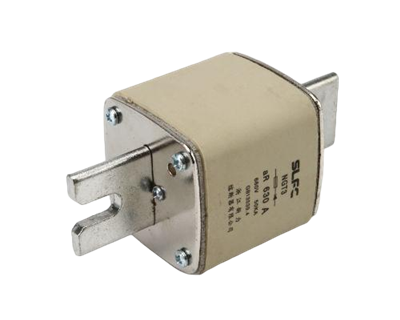
Then there's the NH PV Fuse. NH fuses are known for their high - breaking capacity. This means they can safely interrupt a high - current fault without causing any damage to the surrounding equipment. They're a popular choice in large - scale solar installations.
And don't forget about the TUV Solar Fuse. TUV is a well - respected certification body, and TUV - certified fuses meet strict safety and performance standards. Using TUV - certified fuses in your solar system gives you an extra layer of confidence that your system is protected.
When it comes to our solar fuse clips, we make sure they're of the highest quality. We use durable materials that can withstand the harsh environmental conditions often found in solar installations. Whether it's extreme heat, cold, or exposure to sunlight, our clips will hold up.
We also pay close attention to the color - coding. We follow the industry standards as closely as possible, but we're also flexible enough to work with our customers if they have specific color - coding requirements. After all, we want to make sure that our products fit seamlessly into your solar power systems.
If you're in the market for solar fuse clips, you need to consider a few things. First, make sure the clips are compatible with the fuses you're using. Check the current rating and the physical size of the clips and fuses. Also, look for clips that are easy to install and remove. You don't want to struggle with complicated clips when you're in the middle of an installation or maintenance job.


In addition to the color - coding and compatibility, think about the long - term performance of the clips. Look for features like corrosion resistance and good electrical conductivity. A clip that corrodes quickly can lead to poor electrical connections, which can cause problems in your solar system.
So, if you're interested in learning more about our solar fuse clips or have any questions about color - coding or compatibility, don't hesitate to reach out. We're here to help you make the right choices for your solar power system. Whether you're a small - scale solar installer or a large - scale solar farm operator, we've got the products and expertise to meet your needs. Let's start a conversation and see how we can work together to keep your solar systems running smoothly.
References
- International Electrotechnical Commission (IEC) Standards on Electrical Components
- Industry Publications on Solar Power System Safety and Maintenance