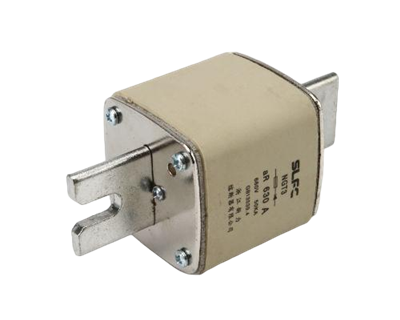
As a supplier of NT Fuses, I often receive inquiries from customers regarding the operating temperature range of these essential electrical components. Understanding the operating temperature range of NT Fuses is crucial for ensuring their proper functioning and longevity in various applications. In this blog post, I will delve into the details of the operating temperature range of NT Fuses, exploring its significance, factors affecting it, and how it impacts the performance of these fuses.
The Significance of Operating Temperature Range
The operating temperature range of a fuse refers to the range of temperatures within which the fuse can operate safely and effectively. This range is specified by the manufacturer and is determined by various factors, including the materials used in the fuse, its design, and the intended application. Operating a fuse outside of its specified temperature range can have several negative consequences, including:
- Reduced lifespan: Excessive heat can cause the fuse element to degrade more quickly, leading to a shorter lifespan.
- Increased risk of failure: High temperatures can cause the fuse to blow prematurely or fail to blow when it should, increasing the risk of electrical damage or fire.
- Inaccurate tripping: Extreme temperatures can affect the calibration of the fuse, causing it to trip at incorrect currents.
Therefore, it is essential to ensure that NT Fuses are operated within their specified temperature range to ensure their reliable performance and safety.
Factors Affecting the Operating Temperature Range
Several factors can affect the operating temperature range of NT Fuses, including:
- Ambient temperature: The ambient temperature is the temperature of the surrounding environment in which the fuse is installed. High ambient temperatures can cause the fuse to heat up more quickly, reducing its operating temperature range.
- Load current: The load current is the current flowing through the fuse during normal operation. Higher load currents generate more heat, which can also reduce the operating temperature range of the fuse.
- Fuse design: The design of the fuse, including the size and shape of the fuse element, can also affect its operating temperature range. Fuses with larger fuse elements generally have a higher operating temperature range than those with smaller elements.
- Mounting method: The mounting method of the fuse can also affect its operating temperature range. Fuses that are mounted in a well-ventilated area will generally have a lower operating temperature than those that are mounted in a confined space.
Typical Operating Temperature Range of NT Fuses
The operating temperature range of NT Fuses can vary depending on the specific type and rating of the fuse. However, most NT Fuses have an operating temperature range of -50°C to +125°C. This range is suitable for a wide range of applications, including industrial, commercial, and residential electrical systems.
It is important to note that the operating temperature range of a fuse is not the same as its storage temperature range. The storage temperature range of a fuse is typically wider than its operating temperature range and is specified by the manufacturer. Fuses should be stored within their specified storage temperature range to ensure their long-term reliability.
Impact of Operating Temperature on Fuse Performance
The operating temperature can have a significant impact on the performance of NT Fuses. At high temperatures, the resistance of the fuse element increases, which can cause the fuse to heat up more quickly and blow at a lower current. This is known as "derating," and it is a common phenomenon in fuses operating at high temperatures.
To compensate for derating, it is often necessary to select a fuse with a higher current rating than the normal operating current of the circuit. This ensures that the fuse will not blow prematurely due to the increased resistance caused by high temperatures.
Conversely, at low temperatures, the resistance of the fuse element decreases, which can cause the fuse to blow at a higher current. This is less common than derating at high temperatures, but it can still occur in applications where the ambient temperature is very low.
Applications and Considerations
NT Fuses are widely used in various electrical applications, including power distribution, motor protection, and control circuits. When selecting an NT Fuse for a specific application, it is important to consider the operating temperature range of the fuse and ensure that it is suitable for the ambient temperature conditions of the installation.
In applications where the ambient temperature is likely to be high, such as in industrial environments or in areas with poor ventilation, it may be necessary to select a fuse with a higher operating temperature range or to provide additional cooling to the fuse. This can help to ensure that the fuse operates within its specified temperature range and provides reliable protection for the electrical system.
On the other hand, in applications where the ambient temperature is likely to be low, such as in outdoor installations or in cold storage facilities, it is important to select a fuse that is designed to operate at low temperatures. Some fuses are specifically designed for use in low-temperature environments and have a wider operating temperature range than standard fuses.


Different Types of NT Fuses and Their Temperature Ranges
There are several different types of NT Fuses available on the market, each with its own specific operating temperature range. Some of the most common types of NT Fuses include NGTC Fuse, NH4 Fuse, and RS 33 Fuse.
- NGTC Fuse: These fuses are commonly used in industrial applications and have an operating temperature range of -50°C to +125°C. They are designed to provide reliable overcurrent protection in a wide range of electrical systems.
- NH4 Fuse: NH4 Fuses are typically used in high-power applications and have a similar operating temperature range of -50°C to +125°C. They are known for their high breaking capacity and fast-acting characteristics.
- RS 33 Fuse: RS 33 Fuses are often used in control circuits and have an operating temperature range of -40°C to +85°C. They are designed to provide precise overcurrent protection in low-power applications.
Contact for Purchase and Consultation
If you are in need of NT Fuses for your electrical applications, I invite you to contact me for more information. As a reliable supplier of NT Fuses, I can provide you with high-quality products that meet your specific requirements. Whether you need a standard NT Fuse or a specialized fuse for a particular application, I can help you find the right solution.
I understand the importance of selecting the right fuse for your electrical system, and I am committed to providing you with the best possible advice and support. If you have any questions about the operating temperature range of NT Fuses or any other aspect of fuse selection, please do not hesitate to contact me. I will be happy to assist you in making an informed decision.
References
- "Electrical Fuse Handbook," published by the Institute of Electrical and Electronics Engineers (IEEE).
- Manufacturer datasheets for NT Fuses.
- Industry standards and guidelines for electrical protection.