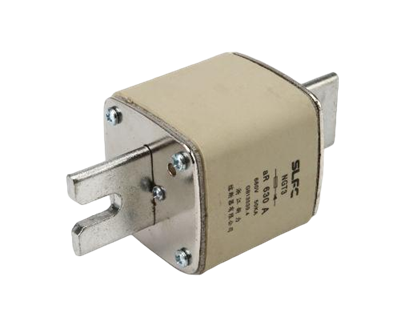
Yo, what's up! I'm a supplier of NGT Fuse, and today I wanna chat about how altitude can mess with these fuses. You might be wondering, "Why should I care about altitude and fuses?" Well, let me tell you, it's a big deal, especially if you're in an area with high elevation.
First off, let's get a basic understanding of NGT Fuses. These bad boys are used in electrical systems to protect against overcurrent situations. They're designed to break the circuit when there's too much current flowing, preventing damage to equipment and reducing the risk of electrical fires. We've got different types, like the Bolted Fuse, NGT2 Fuse, and 100KA Fuse, each with its own unique features and applications.
Now, let's talk about altitude. As you go higher up, the air gets thinner. You've probably noticed this if you've ever gone hiking in the mountains - it's harder to breathe because there's less oxygen. But did you know that this change in air density can also affect electrical components like NGT Fuses?
One of the main things that changes with altitude is the dielectric strength of the air. Dielectric strength is basically the ability of a material (in this case, air) to resist electrical breakdown. When the air is thinner at higher altitudes, its dielectric strength decreases. This means that it's easier for an electrical arc to form between the fuse elements or between the fuse and its surrounding components.
An electrical arc is a flow of electric current through a gas, and it can be a real problem for fuses. If an arc forms, it can cause the fuse to operate incorrectly or even fail completely. For example, in normal conditions, a fuse is supposed to melt and break the circuit when there's an overcurrent. But at high altitudes, the lower dielectric strength of the air might allow an arc to form before the fuse has a chance to melt properly. This can lead to the fuse not interrupting the current as it should, putting your electrical system at risk.
Another issue related to altitude is heat dissipation. Fuses generate heat when current flows through them. In a normal environment, the surrounding air helps to carry away this heat, keeping the fuse at a safe temperature. But at higher altitudes, the thinner air is less effective at dissipating heat. This means that the fuse can get hotter than it would at sea level, even when the same amount of current is flowing through it.
If a fuse gets too hot, it can cause the fuse element to deteriorate more quickly. Over time, this can reduce the fuse's lifespan and increase the likelihood of premature failure. You might start to experience more frequent fuse blowouts, which can be a real headache, especially in critical electrical systems.
So, how do we deal with these altitude-related problems? Well, one solution is to derate the fuses. Derating means reducing the fuse's rated current capacity when it's used at higher altitudes. For example, a fuse that's rated for 100 amps at sea level might need to be derated to 80 amps when used at an altitude of 3000 meters. This helps to compensate for the reduced dielectric strength and heat dissipation capabilities at high altitudes.
We also need to make sure that the fuses are installed properly. At high altitudes, it's even more important to follow the manufacturer's installation instructions. This includes things like making sure there's enough clearance around the fuse to allow for proper air circulation and using the correct mounting hardware.
As a NGT Fuse supplier, I've seen firsthand the impact of altitude on these fuses. I've worked with customers in mountainous regions who've had issues with their electrical systems due to altitude-related fuse problems. That's why I'm so passionate about educating people on this topic.
If you're in an area with high altitude and you're using NGT Fuses, it's crucial to take these factors into account. Don't just assume that the fuses will work the same way they do at sea level. By understanding how altitude affects NGT Fuses, you can make more informed decisions about which fuses to use and how to install them properly.


And if you're in the market for NGT Fuses, whether you're in a high - altitude area or not, I'm here to help. I've got a wide range of fuses, including the Bolted Fuse, NGT2 Fuse, and 100KA Fuse, and I can provide you with all the technical support you need. Whether you're a small business owner or part of a large industrial operation, I can help you find the right fuses for your specific needs.
So, if you're interested in learning more or want to start a conversation about your NGT Fuse requirements, don't hesitate to reach out. Let's work together to ensure that your electrical systems are safe and reliable, no matter what the altitude.
References:
- Electrical Engineering Textbooks on High - Altitude Effects on Electrical Components
- Manufacturer's Documentation for NGT Fuses