As a dedicated supplier of EV Fuse Links, I often encounter a crucial question from customers: How often should an EV Fuse Link be replaced? This topic is not only vital for the safety and performance of electric vehicles but also plays a significant role in the long - term operation and maintenance of these vehicles. In this blog, I will delve into this issue, providing you with a comprehensive understanding based on scientific knowledge and practical experience.
Understanding the Role of EV Fuse Links
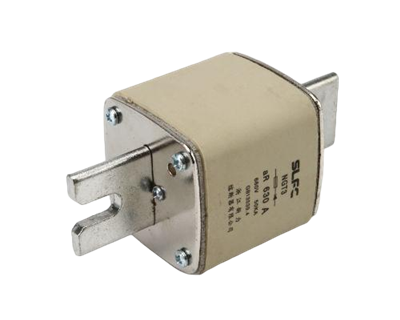
Before discussing the replacement frequency, it's essential to understand what an EV Fuse Link does. An Electric Vehicle Fuse Link, such as the ones you can find at Electric Vehicle Fuse Link, is a safety device designed to protect the electrical circuits in an electric vehicle. It acts as a sacrificial element that breaks the circuit when the current exceeds a certain level, preventing damage to the vehicle's electrical components and reducing the risk of fire.


Factors Affecting the Replacement Frequency of EV Fuse Links
1. Usage Patterns
The frequency of use of an electric vehicle has a direct impact on the lifespan of its fuse links. Vehicles that are driven frequently, especially those used for commercial purposes like delivery trucks or taxis, will experience more electrical current fluctuations and higher stress on the fuse links. For example, a taxi that is on the road for 10 - 12 hours a day will put more strain on its fuse links compared to a private car that is only used for weekend trips. In such high - usage scenarios, the fuse links may need to be replaced more often, perhaps every 1 - 2 years.
2. Electrical Load
The electrical load of an electric vehicle is another critical factor. Modern electric vehicles are equipped with various advanced electrical systems, such as infotainment systems, advanced driver - assistance systems (ADAS), and high - power charging capabilities. If a vehicle has a high electrical load due to additional accessories or powerful systems, the fuse links will be under more stress. For instance, an electric SUV with a large battery and multiple high - power electrical components may require more frequent fuse link replacements than a smaller, more basic electric car. In general, vehicles with high electrical loads may need fuse link replacements every 1.5 - 2.5 years.
3. Quality of the Fuse Link
The quality of the fuse link itself is also a determining factor. High - quality fuse links, like the Fuse Electric Vehicle we supply, are designed to withstand more current fluctuations and have a longer lifespan. Inferior quality fuse links may break down more easily, even under normal operating conditions. When using high - quality fuse links, the replacement interval can be extended to 2 - 3 years or even longer, depending on other usage factors.
4. Environmental Conditions
The environment in which the electric vehicle operates can significantly affect the lifespan of the fuse links. Extreme temperatures, high humidity, and exposure to dust or corrosive substances can all degrade the performance of the fuse links. For example, in a hot and humid climate, the fuse links may experience more oxidation, which can reduce their effectiveness. In harsh environments, it is recommended to replace the fuse links every 1 - 1.5 years.
General Guidelines for Replacement
Based on the above factors, here are some general guidelines for replacing EV Fuse Links:
- Low - usage private vehicles: For private electric vehicles that are used sparingly, such as for short daily commutes or occasional weekend drives, and are equipped with high - quality fuse links, the fuse links can typically be replaced every 2 - 3 years.
- High - usage commercial vehicles: Commercial electric vehicles, including delivery vans and taxis, which are in constant use and often have a high electrical load, should have their fuse links replaced every 1 - 2 years.
- Vehicles in harsh environments: Electric vehicles operating in extreme temperatures, high humidity, or dusty conditions should have their fuse links replaced every 1 - 1.5 years to ensure optimal safety and performance.
Importance of Regular Inspection
In addition to following the replacement guidelines, regular inspection of the EV Fuse Links is also crucial. A visual inspection can help detect signs of wear, such as discoloration, melting, or damage to the fuse link. Some advanced electric vehicles also have built - in diagnostic systems that can monitor the status of the fuse links. If any signs of damage or abnormal behavior are detected during the inspection, the fuse link should be replaced immediately, regardless of the time since the last replacement.
Special Considerations for Specific Fuse Types
Different types of EV Fuse Links may have different replacement requirements. For example, the 150V/250V EV Car Fuse is designed for specific voltage requirements. These fuses are often used in different parts of the vehicle's electrical system and may have different stress levels. It's important to refer to the vehicle's manufacturer's guidelines when replacing these specific types of fuses.
Conclusion
Determining how often an EV Fuse Link should be replaced is not a one - size - fits - all answer. It depends on multiple factors, including usage patterns, electrical load, quality of the fuse link, and environmental conditions. By understanding these factors and following the general guidelines provided, electric vehicle owners can ensure the safety and reliability of their vehicles.
As a trusted supplier of EV Fuse Links, we are committed to providing high - quality products and professional advice. If you have any questions about EV Fuse Links, including replacement frequency, product selection, or installation, please feel free to contact us for procurement discussions. We are here to help you make the best decisions for your electric vehicle's electrical system.
References
- Society of Automotive Engineers (SAE) standards on electric vehicle safety.
- Research papers on electrical system reliability in electric vehicles.
- Manufacturer's guidelines for electric vehicle maintenance.