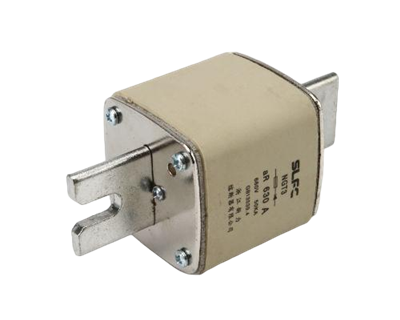
As a supplier of RS3 fuses, I am often asked about the materials used in these crucial electrical components. RS3 fuses are widely recognized for their reliability and performance in various electrical systems. In this blog, I will delve into the materials that make up RS3 fuses, explaining their properties and how they contribute to the fuse's functionality.
The Basics of RS3 Fuses
Before we discuss the materials, let's briefly understand what RS3 fuses are. RS3 fuses are a type of fast - acting fuse, designed to quickly interrupt the electrical circuit when an overcurrent condition occurs. They are commonly used in applications where protection against short - circuits is essential, such as in electrical panels, industrial machinery, and automotive systems. You can learn more about RS3 Fast Fuse.
Fuse Element Material
The fuse element is the heart of the RS3 fuse. It is the part that melts when the current exceeds a certain level, thereby breaking the circuit and protecting the electrical equipment. The most commonly used material for the fuse element in RS3 fuses is silver.
Silver has several properties that make it an ideal choice for fuse elements:
- High Electrical Conductivity: Silver is one of the best conductors of electricity. This means that under normal operating conditions, the fuse element can carry the rated current with minimal power loss. Low power loss translates to less heat generation, which is crucial for the long - term stability of the fuse.
- Low Melting Point: While silver has a relatively high melting point compared to some other metals, it is still low enough to melt quickly when an overcurrent passes through it. This fast - melting characteristic is essential for a fast - acting fuse like the RS3. When a short - circuit occurs, the high current causes the silver element to heat up rapidly and melt, breaking the circuit within milliseconds.
- Good Thermal Conductivity: Silver also has excellent thermal conductivity. This helps in quickly dissipating the heat generated during normal operation and also ensures that the heat is evenly distributed across the fuse element. Even heat distribution is important to prevent localized overheating, which could lead to premature failure of the fuse.
In some cases, alloys may also be used for the fuse element. These alloys are carefully formulated to have specific melting points and electrical properties. For example, an alloy of silver and copper may be used to adjust the melting characteristics of the fuse element according to the specific requirements of the application.
Fuse Body Material
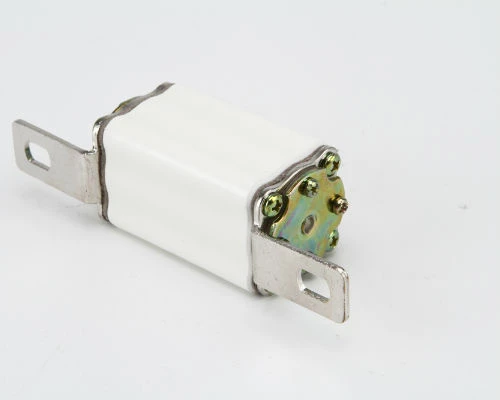
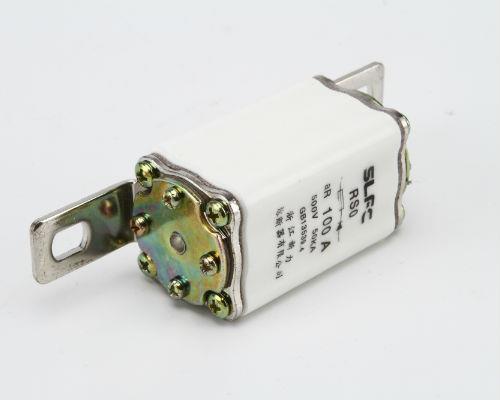
The fuse body is the outer casing that encloses the fuse element. It provides mechanical protection to the element and also helps in insulating the electrical connections. The most common material used for the fuse body of RS3 fuses is ceramic.
Ceramic has several advantages as a fuse body material:
- High Temperature Resistance: Ceramic can withstand high temperatures without deforming or losing its mechanical strength. During normal operation, the fuse may generate some heat, and in the event of an overcurrent, the temperature can rise significantly. The high - temperature resistance of ceramic ensures that the fuse body remains intact and provides reliable protection.
- Electrical Insulation: Ceramic is an excellent electrical insulator. It prevents the electrical current from leaking out of the fuse and coming into contact with other components or the surrounding environment. This is crucial for safety, especially in high - voltage applications.
- Chemical Stability: Ceramic is chemically stable and is not easily affected by moisture, chemicals, or other environmental factors. This makes the fuse more durable and reliable in different operating conditions.
End Cap Material
The end caps of the RS3 fuse are used to make electrical connections with the circuit. They are typically made of copper or a copper alloy.
Copper is chosen for end caps because of its high electrical conductivity. It allows for efficient transfer of electrical current between the fuse element and the circuit. Copper also has good corrosion resistance, which ensures that the electrical connections remain stable over time. In some cases, the end caps may be plated with a thin layer of silver or tin to further improve their electrical conductivity and corrosion resistance.
Other Components and Their Materials
In addition to the main components mentioned above, RS3 fuses may also have other components such as filler materials. Filler materials are used to absorb the energy released when the fuse element melts and to prevent arcing. One common filler material is silica sand.
Silica sand has high thermal stability and can absorb a large amount of heat. When the fuse element melts, the silica sand helps to quench the arc that forms between the molten parts of the element. This prevents the arc from re - establishing the electrical connection and ensures that the circuit is effectively interrupted.
Comparison with Other Fuses
When comparing RS3 fuses with other types of fuses, such as Bolt Fast Fuse and Bolted Fast Fuse, the materials used play a significant role in their performance differences.
Bolt - type fuses may have different construction and materials. For example, the fuse element in some bolt - type fuses may be made of a different alloy or have a different shape to handle higher currents. The body and end cap materials may also vary depending on the specific application and design requirements. However, like RS3 fuses, they are also designed to provide reliable overcurrent protection.
Importance of Material Selection in RS3 Fuses
The selection of materials in RS3 fuses is crucial for their performance, reliability, and safety. Using high - quality materials ensures that the fuse can accurately detect overcurrent conditions and quickly interrupt the circuit. This helps to prevent damage to electrical equipment, reduce the risk of electrical fires, and ensure the smooth operation of electrical systems.
Conclusion
In conclusion, RS3 fuses are made up of several key materials, each with its own unique properties and functions. The silver fuse element provides fast - acting overcurrent protection, the ceramic fuse body offers mechanical protection and electrical insulation, and the copper end caps ensure efficient electrical connections. Other components such as silica sand filler also play an important role in the fuse's performance.
If you are in need of high - quality RS3 fuses for your electrical applications, I invite you to contact me for procurement and further discussion. I am committed to providing you with the best products and services to meet your specific requirements.
References
- Grob, Bernard. "Grob's Basic Electronics." McGraw - Hill Education, 2018.
- Terman, Frederick Emmons. "Electronic and Radio Engineering." McGraw - Hill, 1955.
- "Electrical Fuse Handbook." Cooper Bussmann, 2010.