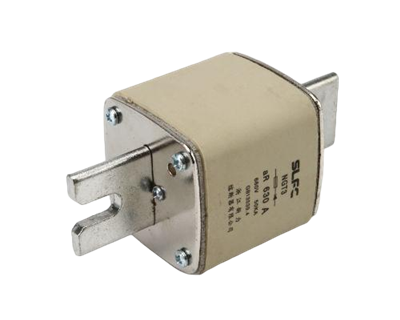
The lifespan of an RT18 - 32 Fuse is a crucial aspect that both suppliers and users need to understand thoroughly. As a supplier of RT18 - 32 Fuses, I've encountered numerous inquiries regarding this very topic. In this blog, I'll delve into the factors that influence the lifespan of RT18 - 32 Fuses, how to estimate it, and practical tips to extend it.

Understanding the RT18 - 32 Fuse
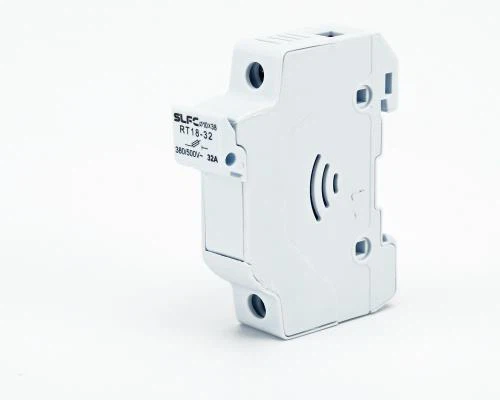
Before we discuss its lifespan, let's briefly introduce the RT18 - 32 Fuse. The RT18 - 32 Fuse is a type of low - voltage fuse widely used in electrical circuits to protect equipment from overcurrent. It's designed to interrupt the circuit when the current exceeds a certain level, preventing damage to electrical devices and reducing the risk of electrical fires. You can find more information about related products such as the RT18 - 32 1P Fuse Base, RT18 - 32 1P Fuse Holder, and RT18 - 32 Fuse Holder Base on our website.
Factors Affecting the Lifespan of RT18 - 32 Fuses
1. Overcurrent Events
One of the most significant factors that impact the lifespan of an RT18 - 32 Fuse is the occurrence of overcurrent events. When the current flowing through the fuse exceeds its rated current, the fuse element heats up. Repeated overcurrent events, even if they are not severe enough to blow the fuse immediately, can cause gradual degradation of the fuse element. The heat generated during these events can cause the fuse element to expand and contract, leading to mechanical stress and eventual weakening. Over time, this can reduce the fuse's ability to function properly and shorten its lifespan.
2. Ambient Temperature
The ambient temperature in which the RT18 - 32 Fuse operates also plays a vital role. Fuses are designed to operate within a specific temperature range. If the ambient temperature is too high, the fuse element will be under additional thermal stress. For example, in a hot industrial environment, the fuse may reach its maximum operating temperature more quickly, even under normal operating currents. This can accelerate the aging process of the fuse element and reduce its lifespan. On the other hand, extremely low temperatures can also affect the fuse's performance, as the material properties of the fuse element may change at low temperatures.
3. Frequency of Operation
The frequency at which the RT18 - 32 Fuse is subjected to on - off cycles can impact its lifespan. Every time the fuse is turned on, there is a brief inrush current. Frequent on - off cycles can cause repeated heating and cooling of the fuse element, which can lead to fatigue and eventual failure. In applications where the electrical circuit is frequently switched on and off, the lifespan of the fuse may be significantly reduced compared to applications with continuous operation.
4. Quality of Installation
Proper installation is essential for the long - term performance of the RT18 - 32 Fuse. If the fuse is not installed correctly, it may experience poor contact with the fuse holder or base. This can result in increased resistance at the connection points, which in turn generates more heat. The additional heat can cause premature failure of the fuse. For example, loose connections can lead to arcing, which can damage the fuse and other components in the circuit.
Estimating the Lifespan of RT18 - 32 Fuses
It's challenging to provide an exact lifespan for RT18 - 32 Fuses because it depends on the various factors mentioned above. However, under normal operating conditions, which typically mean an ambient temperature within the specified range, no significant overcurrent events, and infrequent on - off cycles, an RT18 - 32 Fuse can last for several years.
Manufacturers usually provide some guidelines based on laboratory tests. These tests simulate different operating conditions to estimate the fuse's lifespan. For example, a fuse tested under ideal conditions may have a lifespan of 10 - 15 years. But in real - world applications, especially in harsh industrial environments, the lifespan can be much shorter, perhaps 2 - 5 years.
To get a more accurate estimate for a specific application, it's necessary to consider the actual operating conditions. For instance, if the application is in a high - temperature environment with frequent overcurrent events, the lifespan may be reduced to less than a year.
Tips to Extend the Lifespan of RT18 - 32 Fuses
1. Proper Sizing
Selecting the right size of the RT18 - 32 Fuse is crucial. A fuse that is too small for the application will be more likely to blow due to normal operating currents or minor overcurrent events. On the other hand, a fuse that is too large may not provide adequate protection and can also mask potential problems in the circuit. By choosing the correct rated current for the fuse based on the load requirements of the circuit, you can ensure that the fuse operates within its designed limits and extend its lifespan.
2. Temperature Management
To reduce the impact of ambient temperature on the fuse's lifespan, it's important to manage the temperature in the environment where the fuse is installed. This can be achieved through proper ventilation, air - conditioning, or heat - dissipation measures. For example, in an industrial control panel, installing fans or heat sinks can help keep the temperature within the acceptable range for the fuse.
3. Regular Inspections
Regular inspections of the RT18 - 32 Fuse and its installation are essential. Check for signs of damage, such as discoloration, cracks, or loose connections. Inspect the fuse holder and base for any signs of wear or corrosion. By detecting and addressing potential problems early, you can prevent premature failure of the fuse.
4. Minimize Overcurrent Events
Implement measures to minimize overcurrent events in the electrical circuit. This can include using surge protectors, proper circuit design, and regular maintenance of electrical equipment. By reducing the frequency and severity of overcurrent events, you can significantly extend the lifespan of the RT18 - 32 Fuse.
Conclusion
The lifespan of an RT18 - 32 Fuse is influenced by multiple factors, including overcurrent events, ambient temperature, frequency of operation, and quality of installation. While it's difficult to provide an exact lifespan, understanding these factors and taking appropriate measures can help extend the fuse's lifespan.
As a supplier of RT18 - 32 Fuses, we are committed to providing high - quality products and technical support. If you have any questions about the lifespan of RT18 - 32 Fuses or need assistance in selecting the right fuse for your application, please feel free to contact us. We are here to help you ensure the reliable operation of your electrical circuits.
References
- Electrical Fuse Handbook, published by leading electrical component manufacturers.
- Industry standards and guidelines related to low - voltage fuses.